Software/Devices
GEA Introduces InsightPartner EvoHDry Condition Monitoring Tool

GEA InsightPartner EvoHDry delivers real-time diagnostics, pre-alarm notifications and maintenance guidance to reduce unplanned downtime in evaporation, drying and liquid systems.
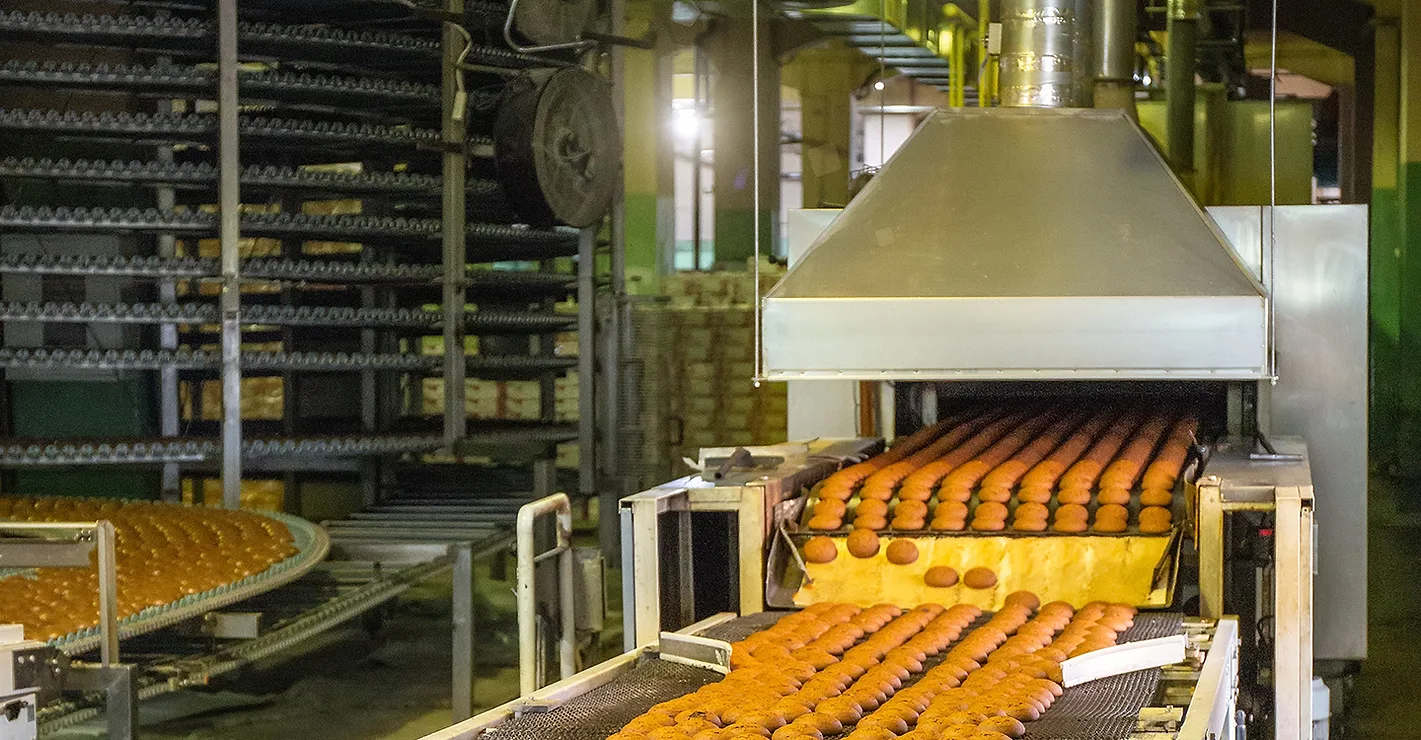
GEA has launched InsightPartner EvoHDry, a condition monitoring tool designed to improve production reliability and operational efficiency in dairy and beverage plants.
The system has been engineered for complex industrial environments, where uninterrupted operation is essential for producing items such as infant formula, cream, evaporated milk, condensed milk and cheese.
GEA InsightPartner EvoHDry applies real-time condition monitoring, a maintenance approach based on continuous collection and analysis of machine data to detect early warning signs of equipment degradation. Parameters such as temperature, pressure, vibration and flow are tracked in real time, giving operators a clear view of system performance. The solution offers an app and web-based component status to receive real-time information on machine health.
In the dairy sector, one of the most frequent causes of unplanned downtime is a gradual loss of suction pressure in vacuum pumps within evaporation systems. This condition reduces evaporator efficiency, causing output to fall below target performance thresholds and potentially forcing an unplanned shutdown. Failures of this kind are commonly linked to dry running, wear in pump components or lubrication loss when product contamination occurs. GEA InsightPartner EvoHDry employs predictive analytics to recognize these patterns early and generate pre-alarm notifications that prompt intervention before a critical failure takes place.
Beyond specific equipment failures, many dairy and liquid plants face broader operational challenges. Modern process plants rely heavily on supervisory control and data acquisition (SCADA) systems to monitor operations, but the number of alarms generated can overwhelm operators, making it difficult to filter and prioritize issues. At the same time, shortages of skilled technicians mean fewer personnel are available to interpret alarms or carry out diagnostics. Traditional manual checks consume time and resources, while the absence of an integrated view of machine health often forces teams into reactive, emergency-driven maintenance. GEA InsightPartner EvoHDry addresses these problems by combining expert maintenance guidance with data-driven decision-making. Through real-time insights and predictive trends, operators can focus on the most critical issues, optimize maintenance schedules, and keep production on track.
The technical setup of GEA InsightPartner EvoHDry is designed for accuracy and security. It includes sensors for vibration, flow and pressure, as well as links, cables and an edge gateway – a local computing device that collects and preprocesses data before sending it to the cloud. By processing data locally, the gateway ensures rapid response times and reduces dependence on external networks. The system operates independently of the customer’s IT infrastructure, so no direct access to plant networks is required, minimizing cybersecurity risks.
Once preprocessed, data is transferred securely to the GEA Cloud and GEA Portal, where GEA’s proprietary modeling algorithms evaluate equipment condition. Certified vibration specialists then validate diagnostics, adding human expertise to automated analysis.
“Unplanned downtime remains the biggest challenge for dairy processors,” says Angela Yeung, digital portfolio and strategy lead for liquid and power technologies, GEA. “By using predictive insights, customers can intervene before failures occur, reducing costs and improving efficiency. With GEA InsightPartner EvoHDry, operators gain clear insight into machine health. Instead of reacting to unexpected shutdowns, they can plan maintenance based on reliable diagnostics—keeping production stable and output consistent.”
GEA InsightPartner EvoHDry has been tailored for evaporators, spray dryers, pumps and rotating equipment, with monitoring extending from the vacuum stage through to clean-in-place (CIP) cycles, providing full coverage of peripheral systems.
Looking for a reprint of this article?
From high-res PDFs to custom plaques, order your copy today!