Plant Openings
Barilla Opens Innovation Center
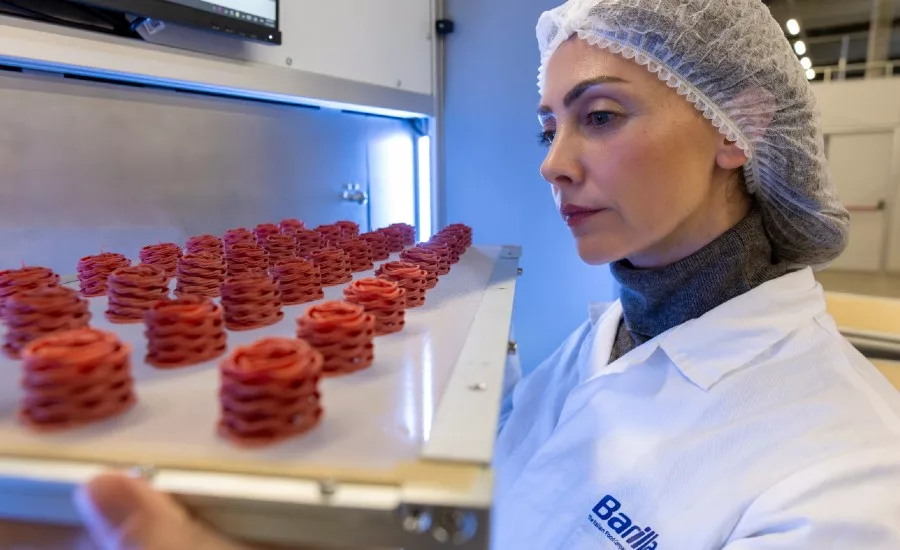
Within the 150,000 sq. ft. of the Barilla Innovation & Technology Experience, pilot plants and cutting-edge laboratories bring research and technology to serve tradition.
Barilla Group has opened the Barilla Innovation & Technology Experience (BITE) in Parma, the company’s largest investment in food innovation in recent years.
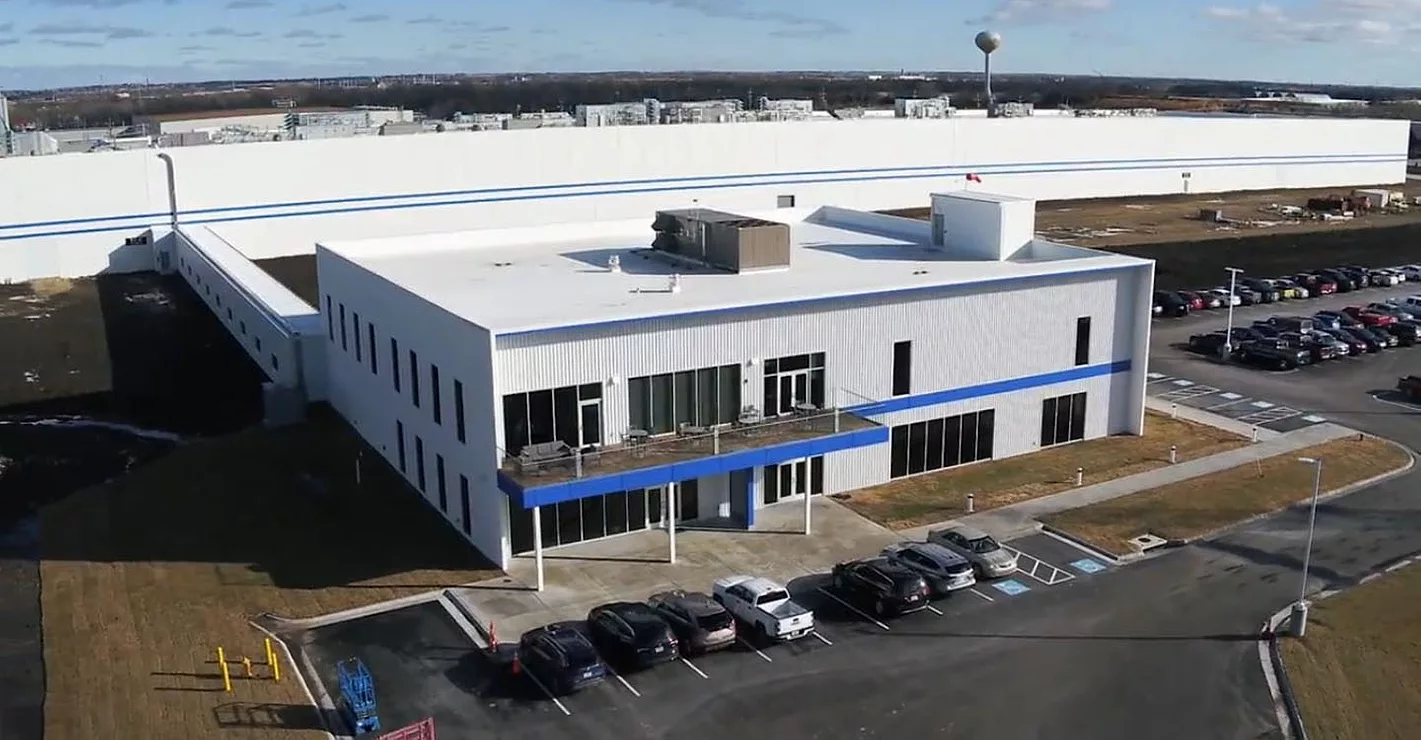
Spanning nearly 150,000 sq. ft. — and with more than $25 million invested and approximately an additional $2.3 million per year dedicated to equipment upgrades — BITE is designed as a global hub to foster development across the group’s portfolio. Pasta, sauces and bakery are a territory of exploration, where research and technology serve Barilla's passion for good food.
Rooted in a collaborative approach, the Innovation Center brings together a team of 200 professionals, including food technologists, researchers, engineers, designers, professional tasters and chefs, to develop the future of Barilla’s food products. Each year, 30 interns from Italy and abroad join Barilla’s RDQ community through internship or other post-graduate programs, with talent coming from countries such as Turkey, Belgium, Greece and Spain over the past two years. The center also hosts an open innovation ecosystem that has 84 active collaborations with universities and research centers in Italy and worldwide.
“At Barilla, where the product has always been at the heart of everything we do, we know that a fundamental part of our work is to imagine and create quality products that must respond and adapt to people’s evolving needs,” says Guido Barilla, chairman of the Barilla Group. “The BITE, in addition to shaping what will be the products of tomorrow, represents a very clear entrepreneurial choice. Barilla must drive and anticipate trends and be able to engage with markets that are increasingly more open and international.”
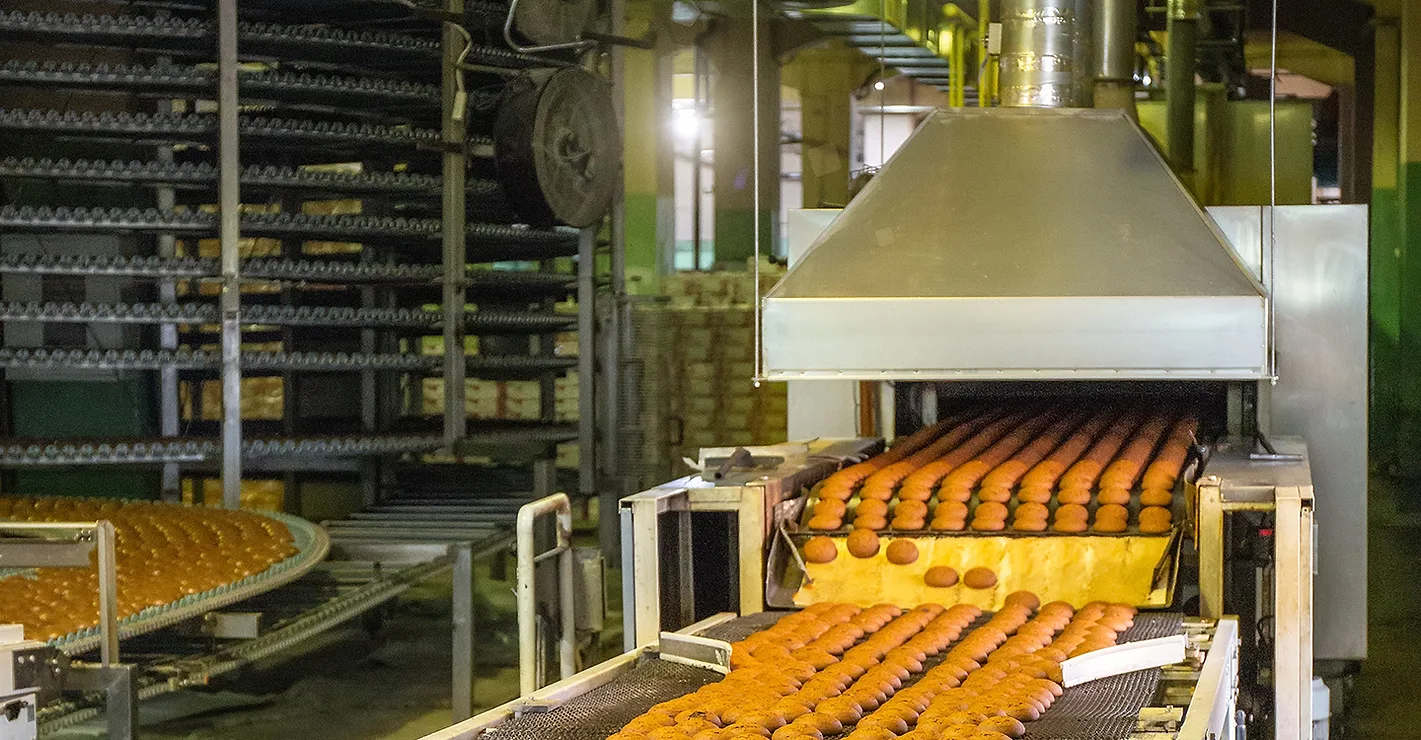
The BITE brings together all stages of food innovation under one roof. The 52,000-sq.-ft. Innovation Center features dedicated areas for Design Thinking, where brainstorms turn into product ideas, tasting and sensory research, and experimental kitchens for pasta and bakery. An additional 96,875 sq. ft. of pilot plants house advanced research laboratories and experimental production lines where Barilla teams develop, test and refine new products, processes and packaging solutions.
Here, the journey from concept to market takes shape, a process that typically spans around two years (and up to 10 for more complex projects) from researching in the selection of crop varieties and selecting ingredients to recipe development and sensory testing with both expert panels and consumers.
"Innovating means placing people’s desires at the center,” says Michele Amigoni, head of RDQ at Barilla Group. “Understanding in depth how their needs related to food and nutrition will evolve, and from there turning ideas into reality that are new, good and sustainable. The BITE will be a center open to the world, where it will be possible to see, touch and understand how Barilla envisions the future of food. "
At the BITE, technologies such as the electronic nose and AI-driven smart sensors optimize processes, from mapping aromatic profiles to enhancing pasta drying. 3D printing and holographic design systems enable rapid prototyping and faster development cycles, while the rugosimeter (roughness meter) measures pasta texture at the micron scale, providing valuable data to refine both product quality and the sensory experience.
The BITE is the core of an international innovation network of 84 partnerships with universities, research institutions and organizations worldwide, from the Ludwig-Maximilians-Universität München in Germany to Purdue University in the U.S. and Wageningen University in the Netherlands, as well as with selected agrifood and tech startups. Since 2019, Barilla’s Good Food Makers accelerator has generated over 1,200 startup applications from 41 countries and launched 28 collaborations, ranging from sustainable indoor agriculture to AI-driven logistics and ingredient traceability.
Designed with sustainability and inclusion at its core, the BITE runs on renewable electric energy and is surrounded by research areas dedicated to the development of regenerative agriculture practices. Through a partnership with Dynamo Academy, an Italian social enterprise promoting inclusive design, the building features fully accessible environments, tactile maps and flexible spaces, ensuring a welcoming experience for all.
Looking for a reprint of this article?
From high-res PDFs to custom plaques, order your copy today!