Food Safety
Leveraging Packaging Technology and Design for a Safer Food Supply
A food manufacturer’s packaging line represents both the last opportunity to protect food and the last place where risk can be introduced. Treating the packaging line as a critical control point is essential to moving from reactive compliance to proactive prevention.
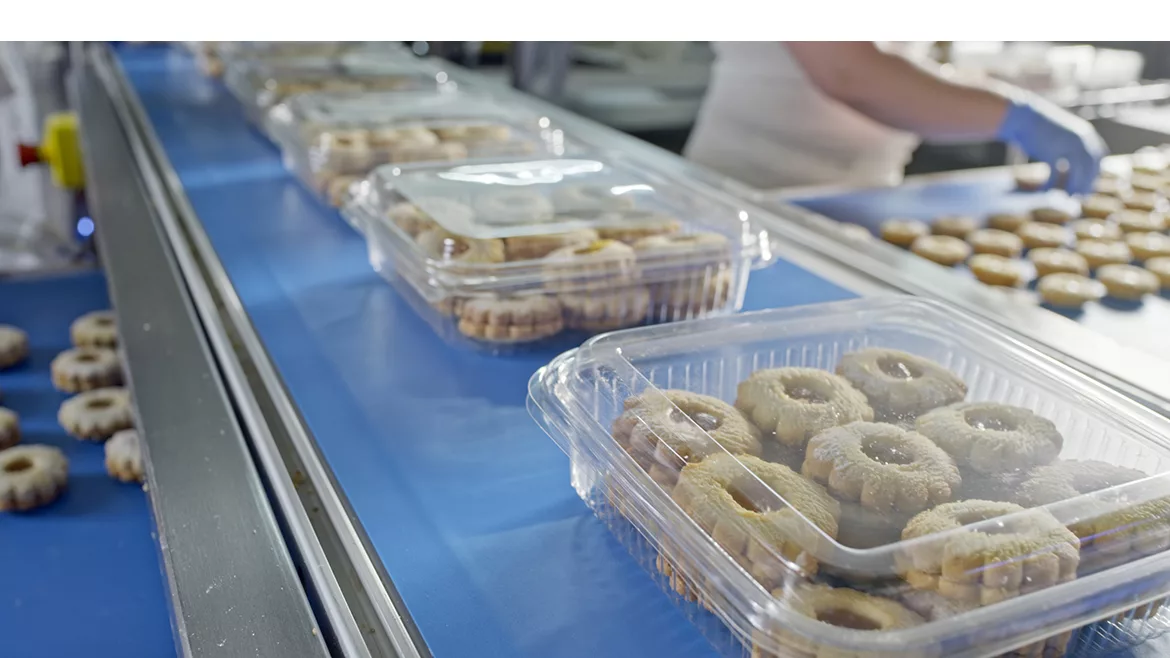
Regulatory scrutiny is increasing, and consumer expectations for transparency continue to rise — any lapse can result in costly recalls and reputational damage. In this environment, food safety is no longer a back-end quality function; it must be engineered into operations. One of the most critical, and often underestimated, control points in this effort is the packaging line.
As the final stage before a product reaches consumers, the packaging line represents both the last opportunity to protect food and the last place where risk can be introduced. PMMI’s Automation in Food and Beverage Equipment Sanitation white paper underscores that “the last piece of equipment to touch food during packaging must be properly sanitized for production,” warning that failures at this stage can lead directly to contamination events or regulatory noncompliance. Treating the packaging line as a critical food safety control point is essential to moving from reactive compliance to proactive prevention.
Designing Food Safety into the Packaging Line
Food safety begins with equipment design. Hygienic design principles — such as smooth, cleanable surfaces, proper drainage, sealed bearings, and the elimination of hard-to-reach niches — are foundational. This white paper highlights that many sanitation challenges stem from equipment-level design flaws combined with human factors, including poor access for cleaning and vulnerability to water ingress during washdowns.
When packaging equipment is not designed for sanitation, manufacturers are forced to rely heavily on operator skill and workarounds, increasing variability and risk. Collaborative design between OEMs and food manufacturers is critical early in the project lifecycle. PMMI panelists consistently emphasized that sanitation considerations must be addressed during design — not after installation — to ensure equipment can be cleaned effectively and consistently.
Automation and Validation: Reducing Variability and Human Error
While sanitation automation adoption remains uneven, PMMI research shows growing recognition of its value in reducing variability and improving consistency. In fact, nearly 80% of participants in PMMI’s sanitation automation session identified standardized OEM training, sensor-based monitoring and simplified equipment design as key contributors to improved sanitation outcomes.
Automation does not eliminate the need for people, but it does reduce reliance on manual judgment for repeatable tasks. Sensors that monitor cleaning parameters, automated clean-in-place (CIP) systems and digitally captured sanitation records all support more robust cleaning validation. These tools provide documented evidence that sanitation processes are executed as intended — strengthening audit readiness and regulatory confidence.
Training as a Pillar of Food Safety
Even the best-designed equipment cannot compensate for insufficient training. PMMI’s Beyond Manuals white paper reveals a significant workforce challenge: Nearly two-thirds of packaging line operators across surveyed companies have fewer than two years of experience. High turnover amplifies food safety risk, particularly on packaging lines where sanitation and changeovers must be performed precisely.
Traditional, text-heavy manuals are proving inadequate for today’s dynamic production environments. PMMI research indicates a clear shift toward visual, on-demand training tools that support operators in real-time. Participants consistently called for training that goes beyond manuals and instead leverages short videos, intuitive interfaces and point-of-use guidance.
Digital Knowledge at the Point of Use
The move from paper-based documentation to digital intelligence is reshaping food safety execution on packaging lines. In PMMI’s Knowledge Transfer for Machine Operators: From Paper to Digital Intelligence white paper, two-thirds of participants favored using QR codes on machines to access standard operating procedures, sanitation instructions and troubleshooting guidance directly at the point of use.
This approach ensures that food safety knowledge is current, consistent and accessible across shifts and experience levels. It also helps address one of the most persistent risks identified by PMMI research: knowledge loss. According to PMMI findings, 74% of respondents described knowledge transfer challenges as significant or extremely significant, linking undocumented processes and tribal knowledge to quality and food safety vulnerabilities.
Tamper-Evident Features and Consumer Trust
Food safety extends beyond sanitation to include product integrity. Tamper-evident features — such as seals, bands and visual indicators — play a vital role in protecting consumers and reinforcing trust. The packaging line is where these safeguards are applied and verified. Vision systems and digital inspection tools can confirm seal presence and integrity in real time, preventing compromised products from reaching the market and providing traceable proof of compliance.
For consumers, tamper-evident packaging is a visible signal of care and accountability. For manufacturers, it is an additional layer of protection against recalls and brand erosion.
A Proactive Roadmap for Food Safety
PMMI research consistently points to the same conclusion: food safety excellence is achieved through the collaboration of design, training and technology. Manufacturers that prioritize hygienic design, leverage automation where it adds value, invest in modern training tools and digitize food safety knowledge are better positioned to meet regulatory demands while building operational resilience.
In today’s food manufacturing environment, food safety is not simply about meeting minimum requirements — it is about creating systems that protect consumers, empower workers and strengthen trust at every stage of the packaging process.
Looking for a reprint of this article?
From high-res PDFs to custom plaques, order your copy today!