 RSS
RSS

Food and Beverage Manufacturing Top Stories

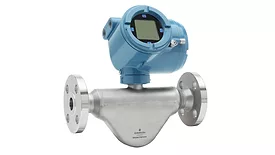
How Coriolis Meter Advancements Can Support Food Manufacturing
Reduced sensor size, multiple transmitter offerings and advanced software further expand Coriolis flow meter capability.
Read More


Top Plant-Based Foods
Alternative Protein in 2025: Key Trends and Technologies
FOOD ENGINEERING offers an overview of some of the latest alternative protein technology advancements and product introductions.
Read More




Early Action on AI Can Boost Competitiveness
Many food manufacturers may not know where to begin implementing AI, and new research from IFS shows they’re not alone. However, to realize gains and stay competitive, getting started is key.
Read More




Tips for Building Food Packaging Lines
Setting up a new line or incrementally adding automation is easier when you know your product and expectations.
Read More


.webp?t=1761580230)