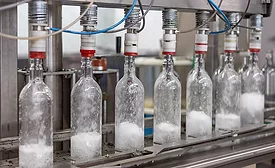
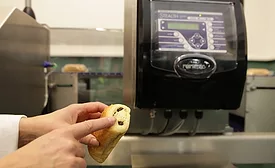
By transitioning from legacy single-technology systems to multi-layered inspection processes, manufacturers can minimize recalls, reduce waste and safeguard their brand.
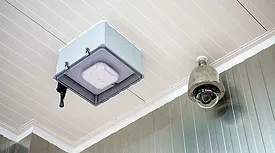
Regulatory bodies say you need to monitor temperature in your cold storage facilities and leave a lot of leeway in how and when to do it. Fortunately, the most rudimentary capabilities of today’s wireless temperature devices and data collection systems more than meet regulatory demands.
For processors of large-format foods such as ingredients, the constant pressure to maximize output, control costs, cut waste and maintain safety and quality standards is an ongoing challenge.
While sales were largely down under dynamic economic and geopolitical conditions, some of the world’s top food and beverage manufacturers experienced revenue growth.
Rob Dongoski, global lead, agriculture and food, for management consulting firm Kearney, discusses major drivers for change in the U.S. food system, including generational purchasing patterns, growing interest in health and sustainability, and implementing technology to harness consumer insights and improve efficiency.
Overall equipment effectiveness (OEE) remains the go-to benchmark for gauging performance, but raising OEE requires more than tracking metrics. It calls for a holistic approach that combines robust planning, skilled people and seamless digital integration.
As machinery ages, what are the options for keeping it running smoothly and extending its lifespan? There are specific best practices that can help food processors extend the life of their machinery.
Every wasted minute of conching translates directly into extra production costs, particularly at a time when energy and raw ingredient prices are rising. This is why producers are looking at the energy efficiency of their conche equipment.
 RSS
RSS







.webp?t=1759774053)


