While sales were largely down in complex manufacturing and retail environments, some of the world’s top food and beverage manufacturers experienced growth in 2025.
See where the world’s leading food and beverage companies landed in FOOD ENGINEERING's 2026 Top 100 ranking, as economic pressures, major acquisitions and shifting strategies reshaped the industry in 2025.
One of my favorite times of the year is approaching, and it’s not just because autumn is on its way. While I do enjoy the cooler temperatures and the seasonal activities that fall brings, this time of year also marks the release of our annual Top 100 ranking.
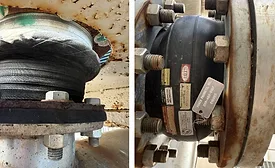
A failed expansion joint can release hazardous media, damage adjacent equipment and trigger unplanned shutdowns, but a preventive maintenance program with scheduled professional survey inspections can reduce failure events.
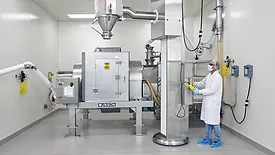
While the mixing and blending of liquid ingredients into a liquid product is an exact, controlled process, combining dry ingredients has unique challenges that have been difficult to control with automation. Finally, sensors and automation are here to help.
The recalls making headlines are not happening because food manufacturers stopped caring about safety. They are happening because the systems designed to catch problems are built to record what happened, not to prevent what is about to happen. This is one area where agentic AI can be transformational for food supply chains.
The cultivated meat sector faces many challenges, especially in scaling production. AI — and in particular hybrid model digital twins — can help overcome critical hurdles to industry viability.
Documentation is written to demonstrate compliance, but the knowledge that keeps lines running lives somewhere else entirely: in the heads and hands of a shrinking group of veteran operators.
Protein products geared toward a healthy lifestyle are ubiquitous in North America. As demand increases across the board, producers are evaluating alternative protein manufacturing and precision fermentation.
With rising demand for protein, food manufacturers are turning to plant-based proteins, precision fermentation, and AI-powered tools for innovation. Pea protein is becoming popular, and new partnerships and digital technologies are aiding in reformulation and product development.
The FDA says converting GRAS notification from voluntary to mandatory would ‘lead to increased transparency about substances that are added to food.
The FDA proposes making the GRAS notification program mandatory, requiring food substances to demonstrate safety for their intended use, aiming to enhance transparency and regulation. The process would apply to both existing and new substances, with some exceptions, and initial evaluations would take 45 days.
 RSS
RSS