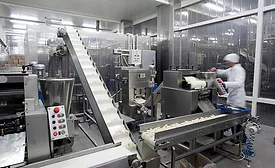
Overall equipment effectiveness (OEE) remains the go-to benchmark for gauging performance, but raising OEE requires more than tracking metrics. It calls for a holistic approach that combines robust planning, skilled people and seamless digital integration.
From machine vision and predictive maintenance to digital twin simulations and connected worker platforms, cutting-edge automated systems are redefining what’s possible in food manufacturing.
Rule 204 of the Food Safety Modernization Act (FSMA) is just one regulation impacting food processors — many others are pending or under consideration.
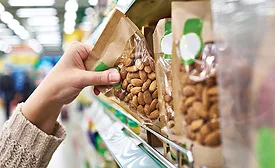
Well-designed packaging can provide shelf impact to attract attention and set the product apart from its competition, enhance usability, prevent damage, maximize shelf life and offer sustainable attributes.
How has recent AI data collection and analysis innovation affected the packaging industry? What does it take to utilize this technology and create an effective and innovative plant through predictive maintenance and automation? What are the challenges and opportunities?
In the COVID-19 outbreak, packaging is being recognized for its long-standing performance in upholding food and beverage product safety and offering consumer protection.
As consumers demand greater convenience, e-commerce sales continue to rise. According to the 2019 Internet Retailer Top 1000 Report, consumers spent $517.36 billion online with U.S. merchants in 2018, up from $449.88 billion spent the year prior. Even when the final sales takes place in a store rather than online, the first step to most purchase decisions starts at the search bar.