Get all the insights from our 2025 State of Food Manuacturing! We also present tips to building food packaging lines, how carbon dioxide capture supports the food industry and much more.
While sales were largely down under dynamic economic and geopolitical conditions, some of the world’s top food and beverage manufacturers experienced revenue growth.
Starting with a clean slate to build your packaging line may be easier than incrementally adding automation, but you must know your products intimately and define your wants and needs of the line — and in the future.
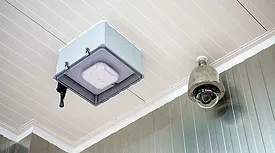
Regulatory bodies say you need to monitor temperature in your cold storage facilities and leave a lot of leeway in how and when to do it. Fortunately, the most rudimentary capabilities of today’s wireless temperature devices and data collection systems more than meet regulatory demands.
An increasing number of North American food and beverage producers are focusing on the capture and liquefaction of carbon dioxide from their waste processes to reduce costs, generate additional revenue and reduce greenhouse gas emissions.
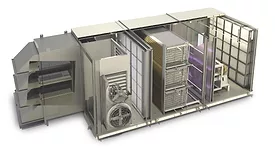
To establish a truly sanitary environment, food engineers must rethink the importance of hygienic air and its impact on both food products and the teams who manage these processes.
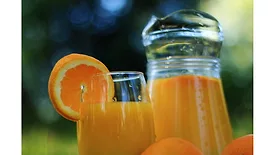
The proposed rule would reduce the minimum required Brix level – a measure of dissolved sugar content – in pasteurized orange juice from 10.5% to 10%, better reflecting the natural Brix level of American oranges.




.webp?t=1757687393)