Case Study
How a Compact Egg Breaking Machine Can Support Industrial Food Production

In high-volume food production, we’ve streamlined just about everything — mixing, depositing, baking, packaging. But one bottleneck that still trips up many operations is surprisingly simple: eggs.
Whether it’s a cookie plant, a commercial bakery or a gefilte fish line, prep teams are often stuck cracking eggs manually or dealing with industrial breakers that may not match their production needs.
Over the past few years, food producers have worked on a very specific problem: How can we crack, separate and prepare thousands of eggs per hour — without adding another 20-ft. machine to the production floor? That question led to the development of a countertop centrifuge egg breaker that’s now helping small-to-midsize plants remove one more bottleneck from their line.
Why Egg Prep Is Still a Challenge
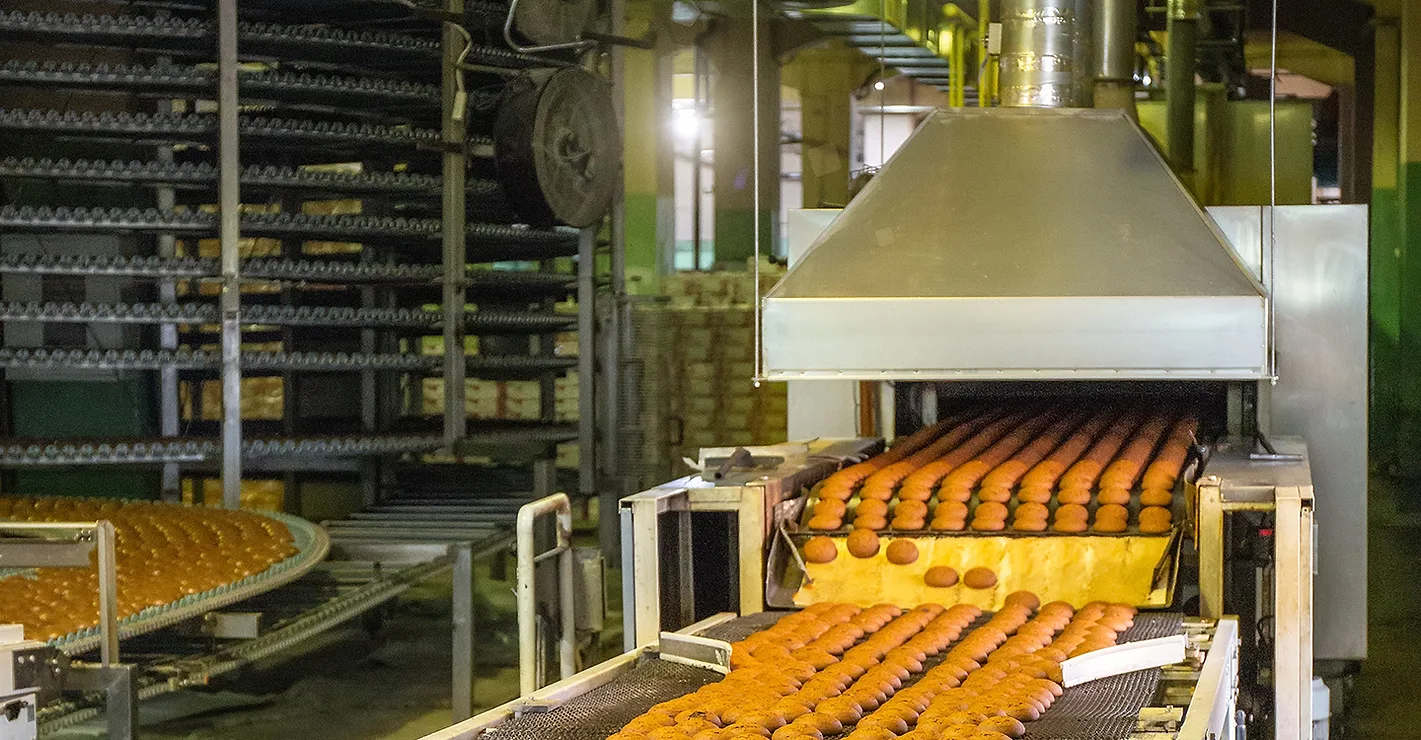
Most industrial food manufacturers use eggs in bulk: think cookie dough, custards, pasta, protein blends or emulsions. They need consistency in volume and quality, and they need it fast. But even in plants with sophisticated batching systems, egg prep often remains disconnected from the rest of the workflow.
Manual cracking still happens more often than people think. It introduces shell fragments, takes time, requires extra sanitation and is hard on workers. On the other end of the spectrum, industrial egg-breaking machines are effective, but they can be expensive, difficult to clean and oversized for facilities that don’t operate at a large scale.
That’s where smaller processors and mid-tier manufacturers are often left in the middle — big enough to need automation, but not big enough for a full egg room.
The Approach: Build Small, Go Big
The CEC Mini Countertop Egg Breaker has been designed to fill that gap. The countertop-sized, 304 stainless-steel centrifuge can crack and mix up to 10,000 eggs per hour, separate shells and be cleaned easily between batches.
It fits on a standard stainless prep table and weighs just under 80 pounds. There’s no software interface, no calibration and no need for a full-time operator. A single employee can load and run the machine with minimal training. Cleaning takes under 10 minutes, and the interior parts are built for repeated sanitation cycles.
The machine’s heart is the centrifugal chamber, which spins raw eggs at controlled speed to separate shell from liquid. The motion is calibrated to preserve yolk and white integrity for bakers and producers who care about color, consistency and texture.
Real World Application
A New York food processor recently integrated three countertop units into its morning prep routine. This allowed the reassignment of prep staff to other tasks, reducing manual labor hours by over 40%.
In addition to improved labor efficiency, the company reported more consistent yolk-to-white ratios, fewer quality control issues related to shell fragments and better yield, which resulted in reduced waste and shorter downtimes between batches due to faster sanitation. The compact units fit easily into the existing floor layout without requiring any infrastructure modifications.
What’s Next
Engineers are exploring ways to pair this unit with inline transfer tanks, so clients can move cracked eggs directly into mixers or pumping systems. They are also working with some manufacturers on multi-machine setups that can improve prep timing across several lines.
Looking for a reprint of this article?
From high-res PDFs to custom plaques, order your copy today!