How CIP Bolsters Maintenance and Sustainability Strategies

Photo courtesy: Getty Images / SeventyFour
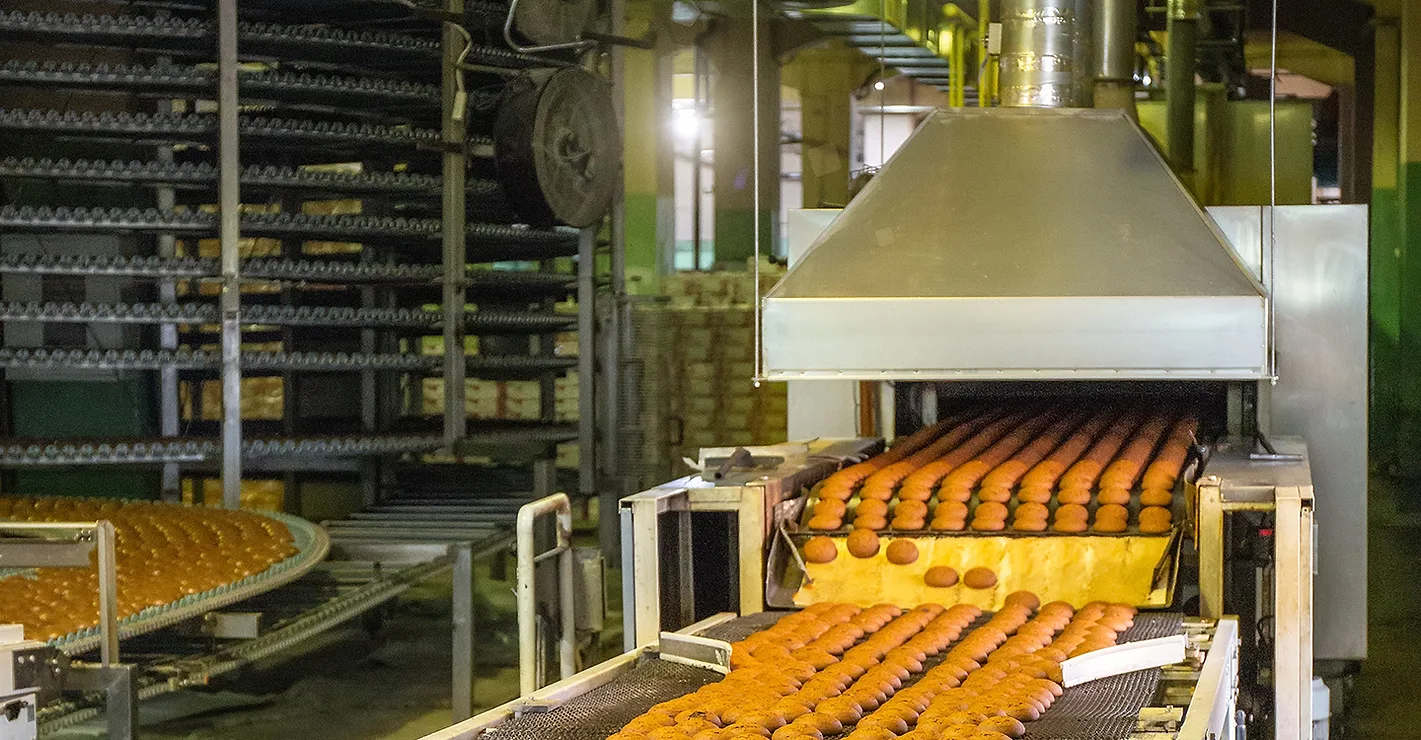
Machine maintenance strategies such as clean-in-place (CIP) systems are used in food production facilities for several reasons: to extend the lifespan of equipment, ensure operational efficiency, and most importantly, to keep machines running safely to deliver high-quality products to consumers. This vital practice is an integral component of food processing facilities.
CIP systems are automated systems that clean and sanitize the inside of food processing technology without the need for time-consuming dismantling. Often, machine maintenance strategies are pushed to the back burner to prioritize production. Over 50% of industrial manufacturers use the “run-to-failure” method, meaning they let their machines run until they stop working, at which point they’ll repair or replace them. This reactive approach can have severe consequences.
Manufacturers that do not practice preventive maintenance could be losing up to $50 billion annually due to unexpected equipment downtime, maintenance and wasted resources. By proactively caring for the technology in food processing facilities, fewer unexpected breakdowns occur. Regularly changing parts, detecting and addressing smaller issues can lead to big changes in productivity and keep facilities running smoothly.
EXPLORE MORE


This focus on preventative care directly translates to maximized efficiency. Well-maintained machines are efficient machines. In fact, unmaintained machines may reduce productive capacity by 5%-20%. Daily usage leads to wear and tear, misalignment and dirty components that take more energy to perform their tasks. Regular check-ups and maintenance can maximize throughput by preventing issues that have resulted in inconsistent production.
In addition to increased productivity, a well-maintained machine also promotes a safer work environment for those interacting with the equipment. Preventive maintenance helps avoid hazardous situations due to machine failure and mitigates any future issues.
If preventative machine maintenance is so crucial, though, why are more manufacturers not practicing it? Maintenance strategies such as CIP systems come with a cost, but they are a vital component of food processing facilities – not a luxury. The real value lies in the long-term benefits: with 45% of food manufacturing companies implementing sustainability initiatives in their supply chains, CIP technology can support in reaching sustainability goals and maintaining a competitive edge.
The following tips outline how food processors can use CIP systems to promote a clean, healthy facility and achieve sustainability goals.
Water Conservation
Modern CIP systems offer clear advantages in water conservation. A CIP system’s job is to circulate water and cleaning solution through machines to clean and sanitize them from the inside. Ineffective CIP systems can use water excessively, hiking up utility costs. Food processing facilities can use hundreds, even thousands of gallons of water each day. To conserve water, some modern CIP systems feature sensors that actively monitor water usage and properties to ensure that machines are fully cleaned without wasting water or time. Some CIP systems reuse water or cleaning solutions to conserve resources and reduce waste.
Chemical Usage
Similar to water usage, outdated CIP systems can overuse cleaning solutions that run through machines to sanitize them, leading to more harm than good. For cleaning performance and system longevity, it is critical to accurately dose and mix chemicals before circulating them through the technology to sanitize. Improper metering of chemicals can lead to extended cleaning times and could result in equipment corrosion or degradation. For added sustainability benefits, these systems can use and reuse chemicals to reduce waste as well.
Sourcing Sustainable Materials and Focusing on the Operator
Practicing sustainability can even come down to sourcing eco-friendly materials and high efficiency components to construct CIP systems. By partnering with ESG-focused component suppliers, manufacturers can help reduce their carbon footprint and support other organizations with goals to create a more sustainable food industry. A key to ESG success is keeping people safe. This means that a good system design will not only operate reliably, but that the people operating and maintaining it can do so ergonomically, with minimal effort, and with safeguards in place to help protect against accidents or human error.
High-powered food processing plants are encouraged to practice proactive maintenance for their technology, but what about rising costs, labor constraints and high utility usage? Well-designed and integrated CIP systems can answer these questions. From identifying malfunctions early on to increasing equipment lifespan, these systems can help put sustainability goals into action while cutting operating costs.
Looking for a reprint of this article?
From high-res PDFs to custom plaques, order your copy today!