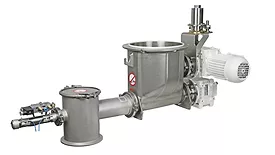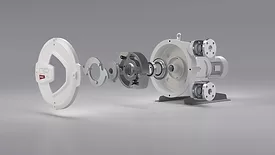
Automatic retractable shoes are specifically designed for CIP processes to allow the pump and rest of the system downstream to be cleaned at the correct fluid velocity.
For food processing professionals, the challenge lies in integrating safety seamlessly into high-speed, high-volume operations. Here are the top five strategies to help safeguard manufacturers' facilities and products.
There are several cleaning and sanitation methods—each with their own unique capabilities. Combining methods with a plan in place can help ensure that products are safe and the facility and its equipment are free of foodborne bacteria
There are several cleaning and sanitation methods—each with their own unique capabilities. Combining methods with a plan in place can help ensure that products are safe and the facility and its equipment are free of foodborne bacteria.
A whole-building approach to drainage – considering every aspect of a facility’s sanitation and operational needs – is essential for ensuring a safe, efficient and regulatory-compliant environment.
The second part of a two-part series on clean-in-place systems for brewing operations covers techniques for cleaning tanks and pipes, the importance of time in a cleaning cycle, and strategies for change management.
Though breweries face production and staffing challenges, there are opportunities for them to optimize operations — particularly through clean-in-place (CIP) systems. The first part of a two-part series highlights these challenges and the importance of “cleaning with intent
Though breweries face production and staffing challenges, there are opportunities for them to optimize operations — particularly through clean-in-place (CIP) systems.