Five years ago, sustainability meant reducing packaging material. Now, the clean label trend has taken on the mantle of sustainability, and its definition includes natural ingredients, decarbonization and recycling under the banner of clean labeling.
The definition of clean label is evolving to include not only natural ingredients but also decarbonization, reductions in virgin plastic packaging, cleaner processing, energy efficiency and more.
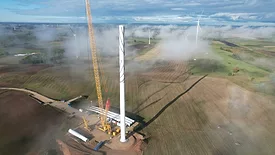
The facility was built on land purchased from Franklin County Industrial Development Corporation and is expected to generate 8,750,000 kWh annually of renewable electricity, exported to the Vermont grid under the state’s Standard Offer program.
The company is evolving its sustainability targets with the latest science and being pragmatic about where efforts have been limited by external factors and systemic barriers, such as lagging infrastructure and the growth of the business.
While natural gas is abundant and relatively cheap now, it may not be in the future —and industrial users need to be ready with alternative sources for heating.
Industrial heat pumps create more heat energy than the electrical energy they consume, making them efficient and potential replacements for boilers burning petroleum products, decreasing carbon footprints.
Machinery considerations can be a challenge when incorporating sustainable materials, but they do not have to deter food producers from moving forward with the process.
Gas-fired heating systems are being replaced by electrification technologies that offer higher efficiency, reduced emissions and improved process control.
The Farmer Forward program is a cornerstone of the company’s Moo’ving Dairy Forward initiative – a multimillion-dollar platform to drive investment in new technologies and partnerships to cut GHG emissions across Mars’ global dairy supply chain.