Redesigns to reduce a package’s footprint and the production of thinner packaging are on the rise, but will legacy machinery be ready to handle the emerging materials?
Using LyondellBasell CirculenRevive polymers with 100% attributed recycled content via an ISCC PLUS-certified mass balance approach, Mondelez is now offering packaging sourced from 75% recycled content.
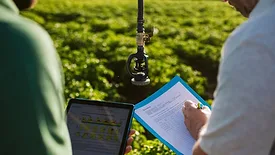
PepsiCo highlights progress against its 2030 Positive Agriculture (pep+) goals, with gains in scaling regenerative agriculture and restorative and protective practices, advancing sustainable sourcing, and improvements in livelihoods.
The executive order directs HHS, USDA and the EPA to strengthen research, innovation and public-private partnerships that support regenerative agriculture while advancing the Make America Healthy Again agenda.
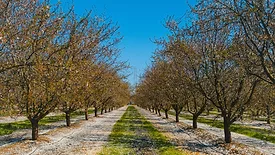
Through the KIND Almond Acres Initiative, the company tested regenerative agriculture practices and innovative technologies in California, home to approximately 80% of the world's almond production.
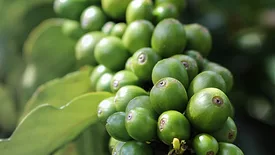
In 2025, more than 1,600 Nescafé agronomists and field staff supported farmers in 15 countries through training and technical support on regenerative agriculture.
The company’s regenerative agriculture strategy is based on three core principles: improving soil health, strengthening biodiversity and ecosystems, and supporting farming communities in their transition toward more resilient practices.
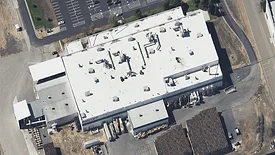
The facility will process more than 300 tons of food and beverage waste per day, providing regional manufacturers, retailers and distributors with a reliable way to divert material from landfills.
Created for brands, retailers, associations and solution providers impacted by EPR laws, this guideline addresses a growing need for scalable, reliable packaging data management and demonstrates how GS1 Standards can be leveraged for EPR packaging reporting.