How Advanced Coatings Anchor Hershey’s First New U.S. Chocolate Plant in Over 30 Years
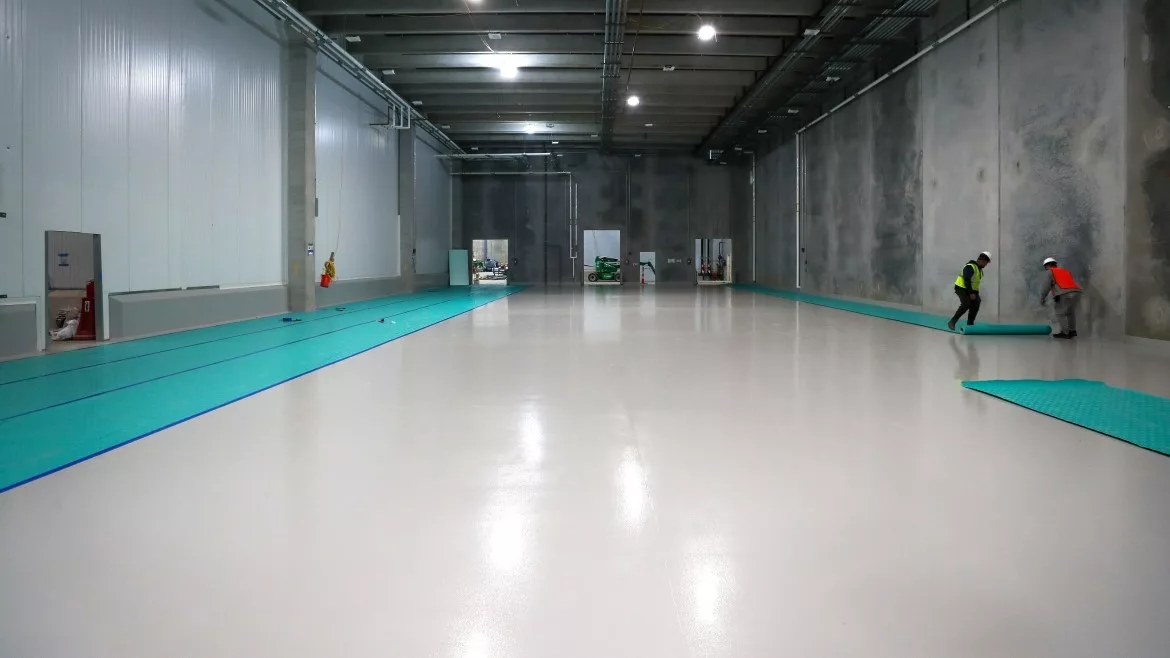
FasTop SL45 flooring was chosen for the facility’s production areas for its ability to withstand heavy traffic, thermal shocks and rigorous cleaning processes.
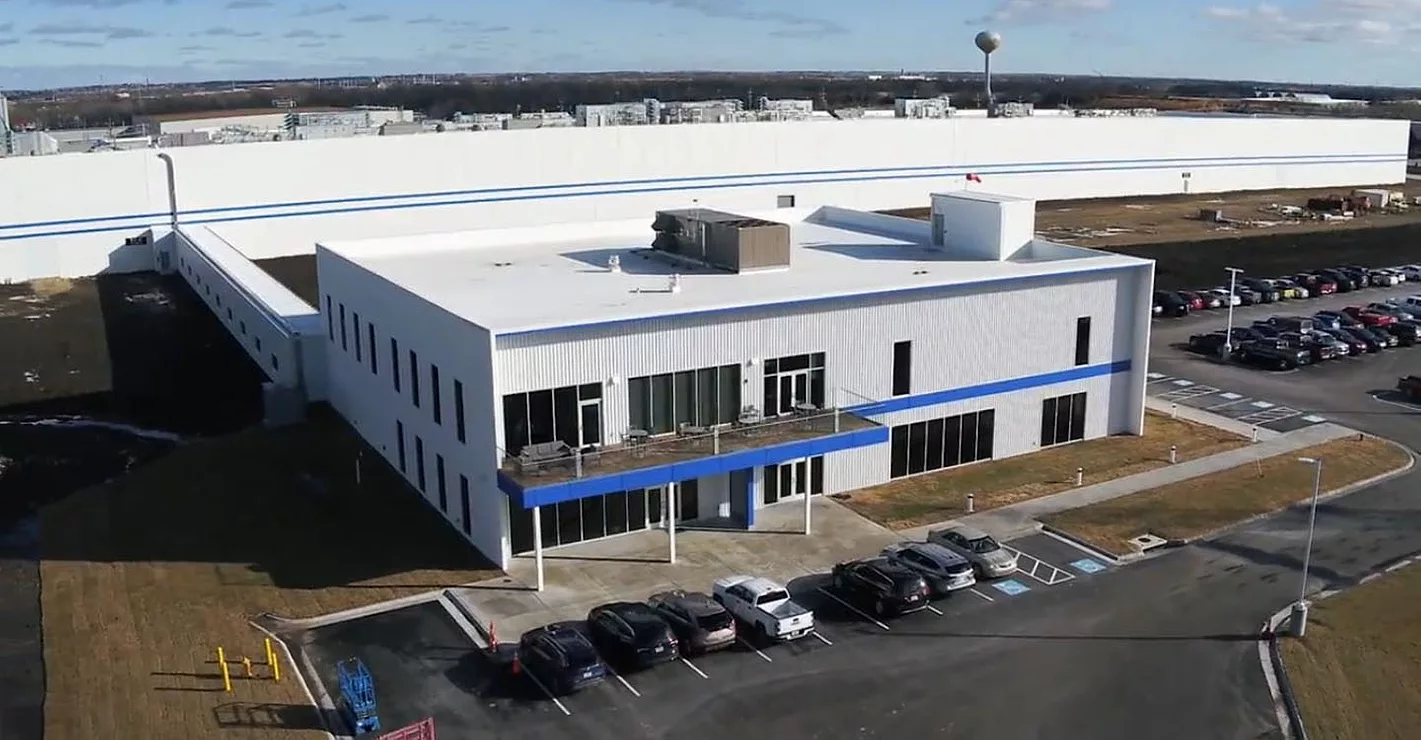
In Hershey, Pennsylvania, a new chapter in chocolate – and coatings – is taking shape. A 250,000-sq.-ft. chocolate manufacturing facility is under construction next to the H.B. Reese Candy plant, marking the first time in a generation that The Hershey Company has built a U.S. production site from the ground up.
The new facility is designed to enhance Hershey’s chocolate-making capabilities, providing the operational flexibility necessary to meet rising demand and adapt to evolving market trends. It also deepens the company’s commitment to its namesake community into the future.
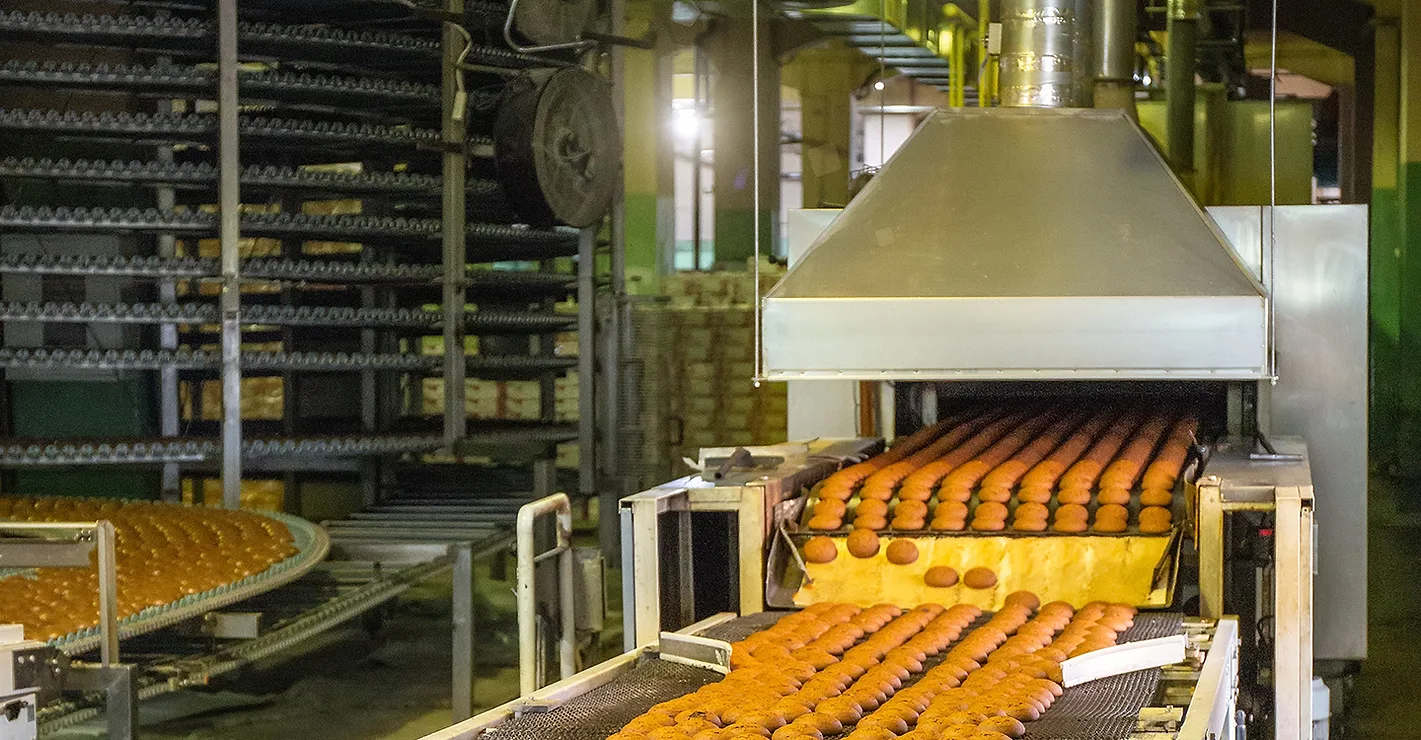
From the outset, the flooring requirements emerged as a critical component of the facility’s infrastructure. Chocolate production involves heavy forklift traffic, frequent hot-water washdowns and regular exposure to harsh cleaning agents. These conditions necessitated a flooring solution that could endure constant wear and tear without compromising safety or sanitation standards.
Underfoot Excellence
By late 2022, after collaboration among general contractor Whiting-Turner, design professionals and project stakeholders, the group selected a high-performance resinous flooring system to serve as the foundation for the plant’s most heavily utilized areas. Additionally, they chose a decorative quartz system for the locker rooms and corridors, blending industrial strength with aesthetic appeal.
Pennsylvania-based Durex Coverings – a flooring contractor renowned for its expertise in food and beverage facilities – implemented a two-pronged approach. This method combined the robustness of industrial-strength flooring in production zones with the aesthetic appeal and durability required in employee areas, bringing both functionality and visual excellence throughout the facility.
“It’s the unrelenting nature of food manufacturing that makes flooring selection throughout a facility so critical,” says Bryan DeCarlo, division vice president of Durex. “Even small cracks or worn patches can become major sanitation or safety hazards.”
From the outset, the flooring contractor collaborated with Sherwin-Williams High Performance Flooring to develop specifications tailored to the unique challenges of food manufacturing. The planning proceses accounted for factors such as the flooring’s slope-to-drain ratio for effective washdowns and slip resistance under wet conditions.
“When you combine large volumes of ingredients, frequent spills and daily cleaning, you need a floor that can withstand punishment without losing integrity," DeCarlo says.
 The Sherwin-Williams Company
Laying the Groundwork
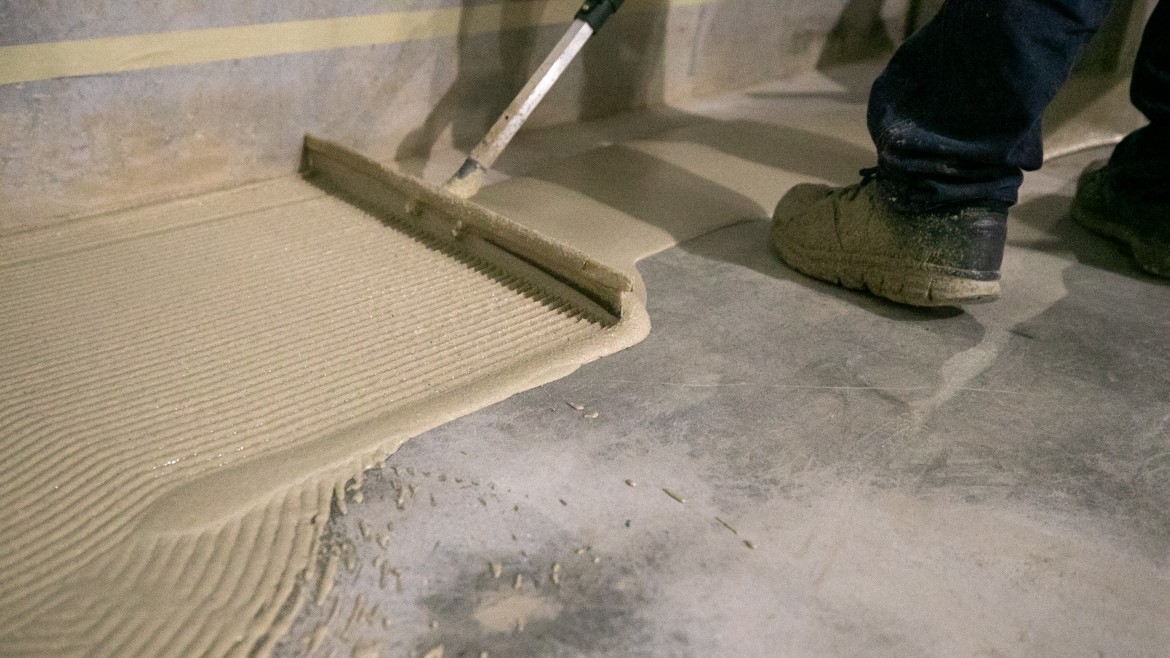
To safeguard the plant’s high-traffic production areas, the project team selected FasTop Multi-Topfloor SL45, a urethane cement system applied at a quarter-inch thickness. This system not only endures forklift traffic but also withstands the thermal shocks that are typical in food manufacturing environments. Unlike standard epoxy floors, which can crack or delaminate when exposed to the high temperatures of steam or hot water washdowns, urethane cement is engineered to expand and contract without compromising its bond to the substrate.
The installation process began with surface preparation, including shot blasting and grinding to achieve the appropriate concrete surface profile (CSP) of 3-4. After priming and cleaning the substrate, crews applied the urethane cement layer, troweling and using gauge rakes to create a smooth yet slip-resistant texture.
Next, Durex installers applied a grout coat of Resuflor 3569, adding approximately 20 to 30 mils of thickness to seal the urethane cement surface. To enhance traction further, technicians broadcast an anti-skid additive into the grout coat while it was still tacky, ensuring the additive was embedded into the floor before curing.
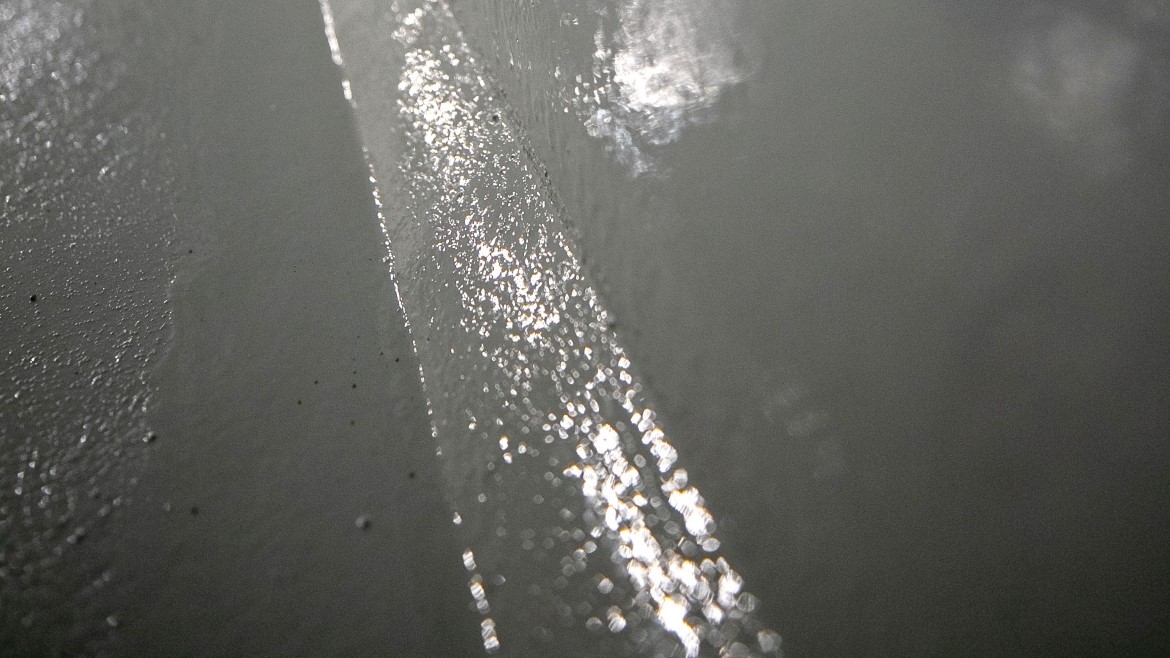
The final layer, an Elladur 4850 Top Coat, provided a seamless, non-porous barrier and contributed an additional 5 to 7 mils of film thickness. Combined, the flooring system reached a total thickness of roughly three-eighths of an inch, offering protection against abrasion, chemicals and heat.
Overcoming Climatic Challenges
Installing each layer under the correct environmental conditions was a delicate task, particularly given Pennsylvania’s unpredictable weather. Summer heat posed cooling challenges, effectively turning the project into a race against the curing process.
“In such conditions, you’re effectively racing the curing process,” DeCarlo says. “Every minute counts when you’re placing these coatings in 90-degree heat, especially if the surface is even hotter.”
Despite these climatic challenges, careful scheduling and real-time adjustments to product mixing ensured the project remained on track and minimized the need for rework. Installation crews installed temporary heating systems during colder months to maintain consistent surface temperatures, essential for proper curing and application integrity.
 The Sherwin-Williams Company
Balancing Durability with Design
While the production floors demanded heavy-duty protection, the facility’s locker rooms and corridors presented a different set of challenges. These areas required a decorative flooring system capable of withstanding regular cleaning, high foot traffic and occasional spills without compromising on aesthetics. Resuflor Deco Quartz was the ideal solution, blending colored quartz aggregates with resin binders to create a vibrant, speckled appearance.
The multi-step installation process began with priming the concrete using Resuprime 3579, an epoxy primer that promotes adhesion and locks out moisture. This was followed by two body coats of Resuflor 3561, an epoxy binder, with a broadcast of quartz aggregate after each layer to ensure even distribution and a consistent finish. Once cured, the floor was sealed with a clear topcoat of either Resutile 4410/4411 or Elladur 4850, resulting in a glossy, seamless surface that is both slip-resistant and visually appealing.
The installation included an integral cove base, running the floor material a few inches up the wall. This tub-like effect prevents water and chemicals from pooling in corners or seams, enhancing hygiene by reducing bacterial growth and facilitating easier maintenance. The design team selected the color “Suit & Tie – Resuflor Topcoat Metallic” using the Sherwin-Williams High Performance Flooring Visualizer to ensure aesthetic consistency and visual appeal.
Seamless Coordination and Execution
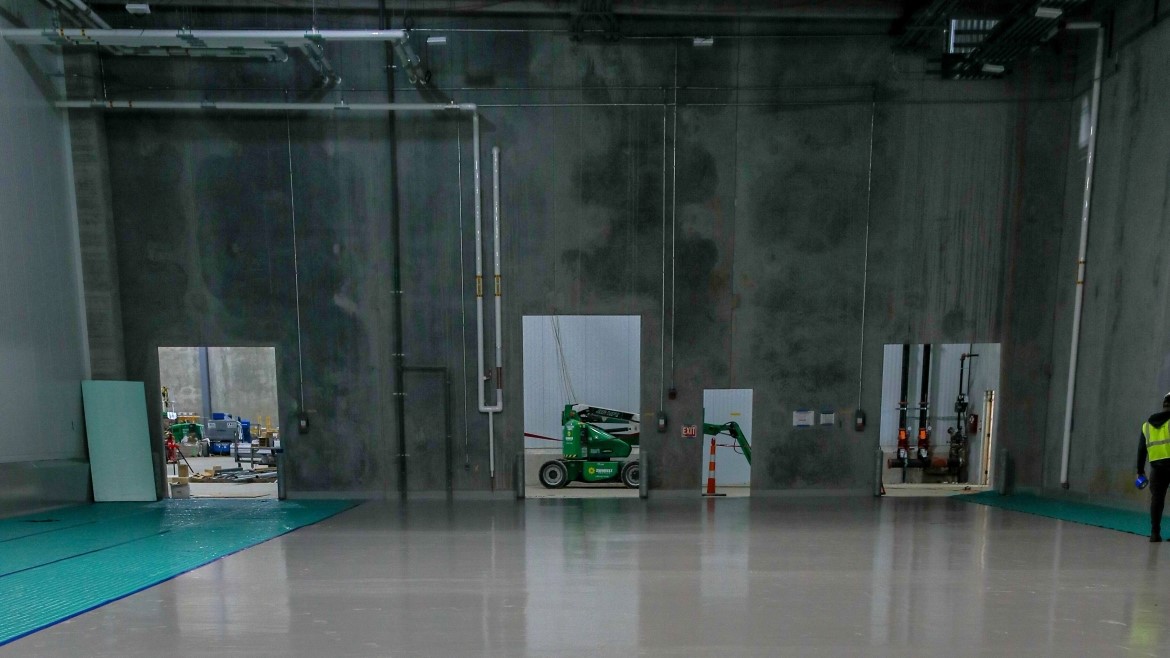
Executing the installation across nearly 4,000 sq. ft. required coordination. Multiple construction teams moved in and out of the facility, installing massive processing equipment and completing the building envelope. Typically consisting of six skilled professionals, the flooring crew expanded to a dozen members during peak phases to efficiently manage multiple areas simultaneously. Still, the crew frequently adjusted their schedules based on the availability of each section of the facility, ensuring that surfaces were prepared only when free from dust and debris generated by other trades.
With so many moving parts, effective communication between the manufacturer’s technical representatives, the general contractor and the applicator proved to be paramount.
“This entire project showcases what’s possible when you combine the right products with skilled craftsmanship and a client-focused approach,” DeCarlo says. “We’ve seen firsthand that staying in sync with other trades can make or break a job of this magnitude.”
In some areas, substrate conditions posed unexpected challenges. If moisture readings were too high or the surface profile was inadequate, the team had to reevaluate their preparation work. Despite these hurdles, the project continued smoothly, thanks to real-time problem-solving, a clear installation sequence and on-site assistance by Sherwin-Williams technical representatives.
“We have a shared commitment,” DeCarlo said. “Our priority is a floor that holds up for decades, not just the first year.”
 The Sherwin-Williams Company
Standardizing Success
Although The Hershey Company has traditionally utilized various flooring brands, the introduction of the new urethane cement and decorative quartz system presents an opportunity to standardize flooring across all its facilities. This standardization promises a streamlined maintenance program, consistent training for in-house staff and assurance of uniform quality throughout the organization.
“Our goal is to create a Sherwin-Williams standard for all of Hershey’s projects, which will ensure consistency and quality,” DeCarlo says.
By selecting a single family of coatings, Hershey’s can simplify the maintenance of floors that endure daily forklift traffic, frequent cleanings and other demands. This strategic choice is expected to generate cost savings and operational efficiencies over time.
As the building’s interior neared completion, Hershey managers conducted site visits to monitor the flooring installation. Preliminary observations demonstrated resilience under daily construction traffic, sparking optimism that the final product will withstand the demands of full-scale chocolate production.
By emphasizing the advantages of a unified flooring system – from its resistance to thermal shocks to its user-friendly cleaning protocols – the project team has effectively laid the foundation for adopting these resinous coatings in future projects.
Securing a Legacy in Every Step
The project reached a significant milestone when the bulk of the flooring installation was completed in late 2024.
“This was an exercise in teamwork, precision and accountability at every level,” DeCarlo says. “From controlling ambient temperatures during application to coordinating with other trades, we’ve proven that painstaking planning pays off. The end result is a facility ready to support Hershey’s production and growth.”
As the new production lines swing into gear, the floors are poised to meet immediate production demands by carrying thousands of pounds of ingredients, safeguarding employees from slips and facilitating strict sanitation protocols.
The project team views this success as a foundation for future collaborations, with upcoming phases already secured, including installing additional decorative metallic flooring in offices.
“Our work here proves that advanced resinous coatings aren’t just protective layers – they’re strategic assets,” DeCarlo says. “When combined with the right application methods and a shared commitment to quality, these floors can literally pave the way for a company’s future.”
Looking for a reprint of this article?
From high-res PDFs to custom plaques, order your copy today!