Case Study
How Coriolis Meters Helped Milk Processor Galloway Company Reduce Giveaway and Improve Efficiency

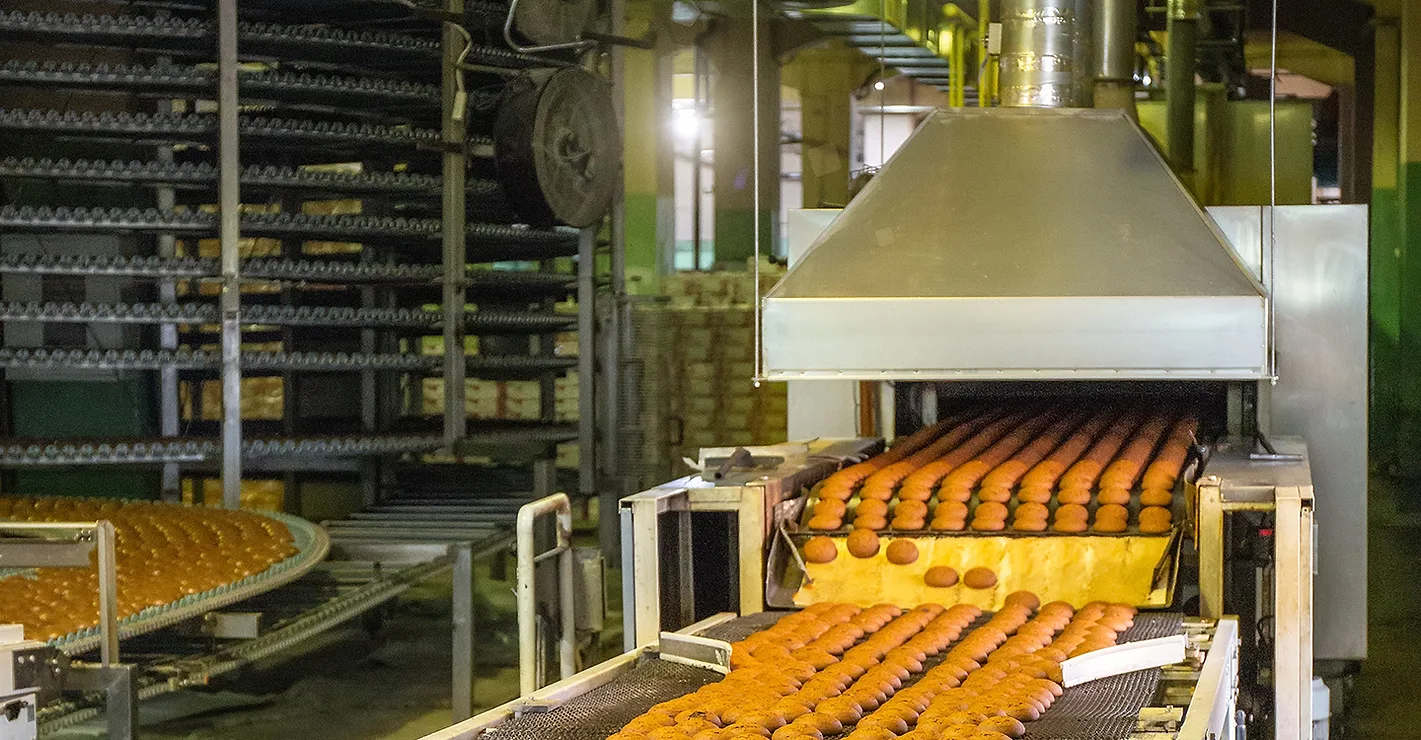
Galloway’s facility is a major supplier of dairy ingredients, including sweetened condensed milk, evaporated milk, frozen dessert mixes and dairy beverage bases.
KEY TAKEAWAYS
- Galloway Company employed Coriolis meters to reduce giveaway during filling operations.
- Coriolis meters also allow Galloway to control Brix while adding sugar to produce sweetened condensed milk.
- Galloway Company is using Coriolis meters to measure density of wastewater.
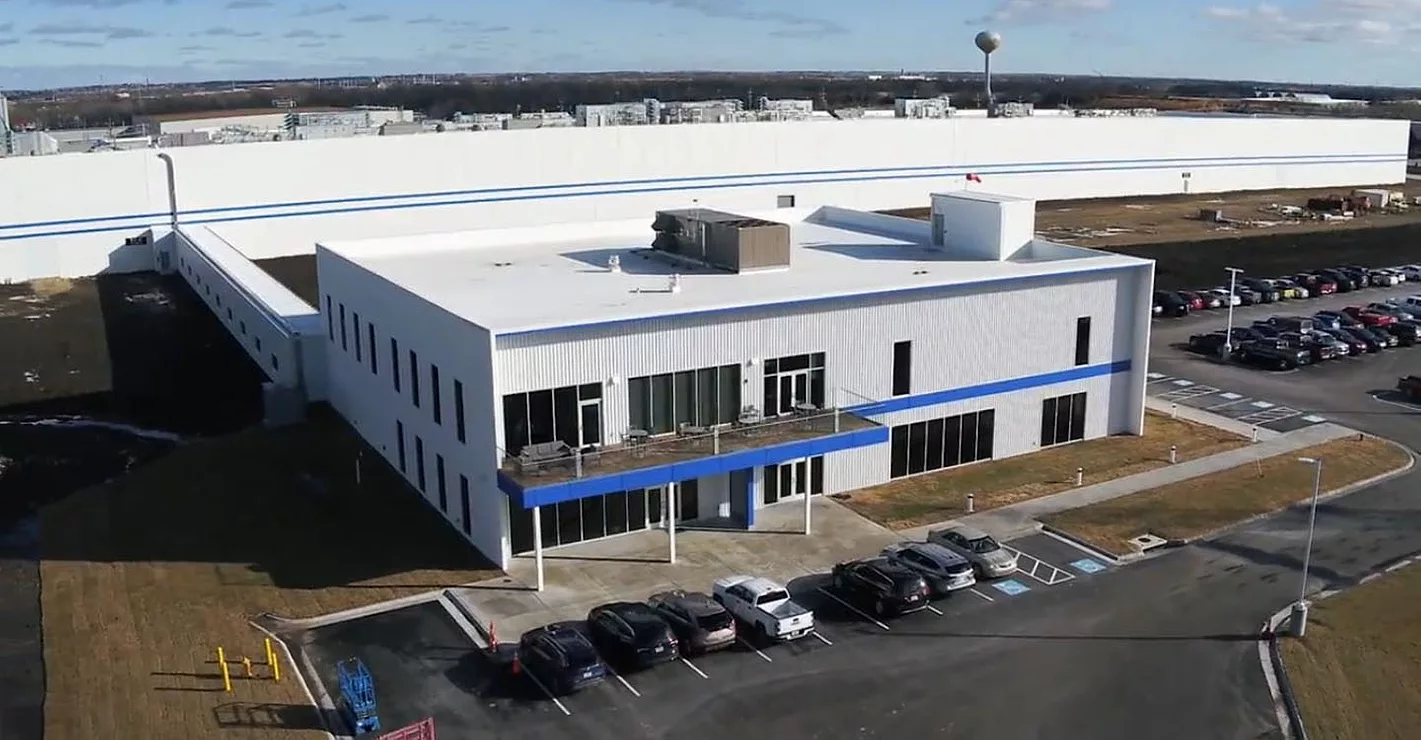
Galloway Company is a fourth-generation, family-owned business with 160 employees at its Neenah, Wisconsin facility, separating 1.8 million pounds of milk per day. Over a year, Galloway processes 55 million gallons of milk, yet few people know the company’s name because most of its output is sold as ingredients to other food and beverage manufacturers. The company provides sweetened condensed milk (SCM), evaporated milk and specialized formulations (such as ice cream and cream liqueurs), with all products customized as required for a wide range of manufacturers.
Emerson’s measurement instrumentation technology played a role in optimizing the company’s dairy processing operations by delivering precise and dependable flow measurements. Its capabilities support compliance with rigorous sanitation standards, while ensuring accuracy across key parameters, including mass, volume, temperature and density.
These capabilities become critical at various stages of the company’s processing operations.
Coriolis Advantages
Few flow meter configurations other than Coriolis are suitable for clean-in-place (CIP) and sterilize-in-place (SIP) procedures. These types of meters have no internal impulse lines or areas that cannot be cleaned, nor are there any requirements for special piping.

Coriolis designs can measure more variables than most flow meters, including mass flow, volumetric flow, temperature and density — all of which are critical to the company’s applications. Moreover, they are accurate over a wide turndown range, making them suitable for batch processes that can stop and start, as well as continuous monitoring. They can determine when a source, such as a bulk dairy truck, has been emptied. Galloway has used these capabilities to improve operations and optimize processes.
Product Filling
Galloway’s products are predominantly sold to other producers, so they are packaged in bulk rather than for consumers. The company packages ice cream mix and evaporated milk in 2.5-gallon "bag-in-box" packaging (measured by weight); and SCM in five-gallon pails, 55-gallon drums, 275-gallon totes or bulk tankers.
Galloway was experiencing process filling challenges with its bag-in-box and five-gallon pail lines. Five-gallon pail filling was a manual operation, and the company was experiencing inconsistent filling results and high labor costs. This operation required up to five operators, each acting individually, which introduced a high degree of variability. Workers erred on the side of higher quantity, so that they do not short their customers, but this has led to significant product giveaway.
Similarly, for bag-in-box filling, the company experienced overages on each bag. For this operation, they had an automated process with Micro Motion Coriolis meters, however, they were suspicious that there were process issues feeding the fillers. Again, because standard was to err on the side of excess product, this resulted in significant giveaway loss.
For pail filling, Galloway decided to replace the manual filling operation with an automated line, with filling measurements provided by a 2-inch Micro Motion H-Series Hygienic Coriolis Flow and Density Meter with a Micro Motion 5700 Field-Mount Transmitter. This has improved filling operations so that Galloway is now shipping pails accurate to within one ounce. The error still tends to be on the high side, but with far less giveaway. For pail filling, the company now has just one operator assigned to this formerly manual task, instead of up to five.
For bag-in-box filling, Galloway suspected that entrained air was causing filling accuracy inconsistencies. Emerson advised the company to use its health indicator (“bubble indicator”) variable called drive gain to identify when this was occurring in real time. Company personnel programmed their control system to alarm on this variable so that root cause of entrained air could be corrected. By implementing this proactive system, the company eliminated inconsistent filling and gained tight control of its bag filling. This quickly eliminated large product giveaway.
As with other automation advances, these upgrades increased personnel productivity, freeing up staff to work in other areas, most notably an expansion of the company’s existing facility.
Adding Sugar
Much of Galloway’s production is SCM. This requires adding either cane or beet sugar, depending on the application, to reach a desired proportion. Galloway’s recipes require tight Brix control, a measure of sugar content.
Galloway’s operation requires adding sugar to hot water, and the resulting mixture is added to condensed milk in the desired proportion. This means the sweetener solution must be the correct Brix value before mixing to achieve the correct final content. Previously, company personnel would fill a tank with hot water and add sugar, then give samples to the lab to verify Brix value and temperature. It was both time consuming and hit-or-miss, with two to four measurements required for each sample, which still left uncertainty regarding undissolved sugar at the bottom of the tank.
Company personnel solved this problem by adding a flow loop to the mixing tank that pumps the solution through a 2-inch Micro Motion H-Series Hygienic Coriolis Flow and Density Meter with a Micro Motion 5700 Field-Mount Transmitter, and then back into the tank. The pumping action now provides constant agitation for thorough mixing. The company can now monitor temperature and Brix value at the transmitter, watching the value increase as sugar is added. This method controls sweetener addition to deliver a Brix value accurate to 0.1%. This improvement makes for consistent blend creation and consistent final product.
Milk Loss Mystery Solved
One common concern for most process manufacturers is avoiding raw material loss during processing, and Galloway was showing a 4% milk loss by mass that it could not explain. The company decided to improve measurement around its milk separator to identify if this was a real loss or a phantom loss due to inaccurate measurement. Previously, Galloway used magnetic flow meters for the milk inlet to the separator and for the skim output, with a Micro Motion flow meter only on the separator’s cream outlet.
Galloway replaced both magnetic flow meters with Micro Motion Coriolis mass flow meters. With plant personnel trying to mass balance their milk usage, and with magnetic meters only measuring volume, they were unable to account for changes in density. Now that they had a mass measurement of milk going into the separator and both outputs also measuring mass, they verified that it was a phantom loss. This simple upgrade assured Galloway there was no actual loss of milk in receiving bays or some other location.
Waste Stream Monitoring
While Galloway does all it can to minimize effluent output, a facility of its size invariably shows up on the radar of the local wastewater utility. Since Galloway has the potential to discharge sugar and milk fat, both of which require extra processing at the wastewater treatment plant (WWTP), they must monitor what is going down the drain. If there is a leak or any other process upset that increases output of these components, Galloway will receive a biochemical oxygen demand (BOD) report from the WWTP with a bacteria count and how much additional oxygen is necessary to ensure decomposition, with an additional charge added to the utility bill.
To address this issue, Galloway is developing its own internal treatment plant in cooperation with the utility so the company can minimize these situations. Galloway now uses Micro Motion G-Series Coriolis Flow and Density Meters with a Micro Motion 5700 Field-Mount Transmitter on its discharge line to measure density and flow. The presence of sugar or milk fat changes density, and the meter provides instant indication of density shifts so plant personnel can immediately identify the source and resolve it. This process is still under development, but the company is planning to use a combination of Micro Motion density, opacity and total organic carbon (TOC) measurements to fully identify and rectify these waste stream issues.
Quick Payback
Within the larger plant environment, each of these improvements did not call for major capital budget considerations. Even though Coriolis flow meters units are expensive compared to other flow measurement technologies, when they are applied well, they earn the money back through cost reductions and increased productivity.
Looking for a reprint of this article?
From high-res PDFs to custom plaques, order your copy today!