How Cannabis Producer Cresco Labs Balances Operational Consistency with State Flexibility
By turning to data and automation, Cresco Labs seeks to standardize how it manufactures cannabis products while leaving room for state-based variation.
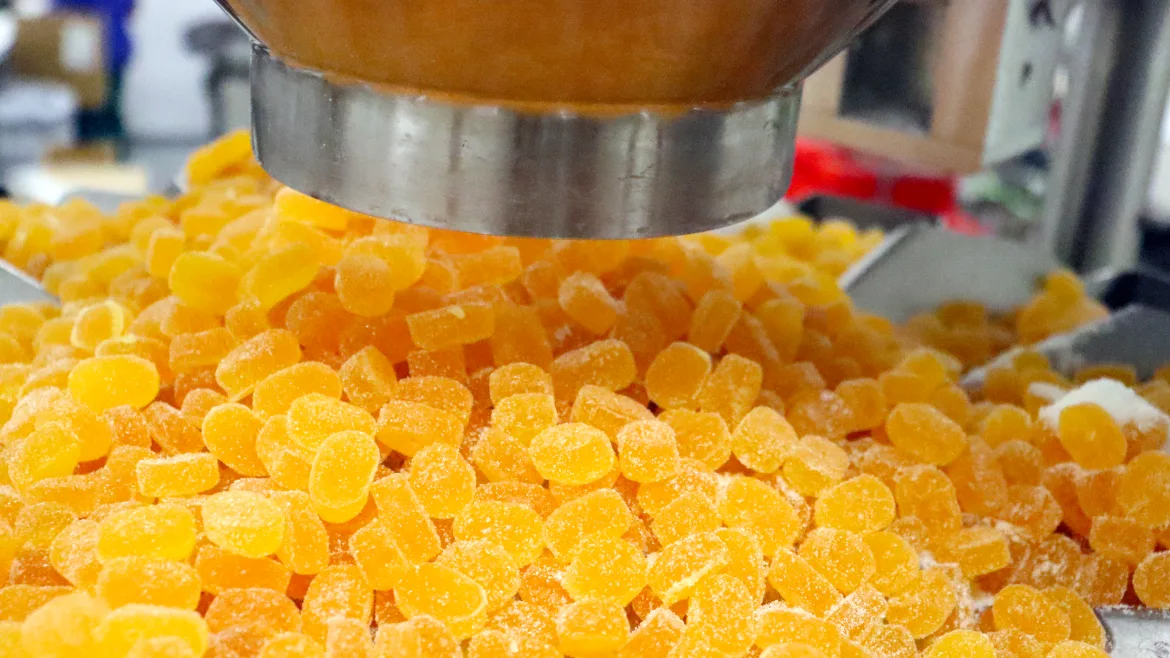
Cresco Labs produces gummies under the Good News brand, which aims to serve a variety of mood and need cases.
Need to Know
- Cresco Labs manufactures cannabis edibles and inhalable products at 13 production facilities across eight state markets.
- The company continues to implement automation capabilities to improve quality and efficiency.
- Cresco Labs aims to standardize operations while managing variations outlined in state regulations.
While not federally legal, more than 80% of U.S. states have access to cannabis products through regulated adult-use or medical programs.
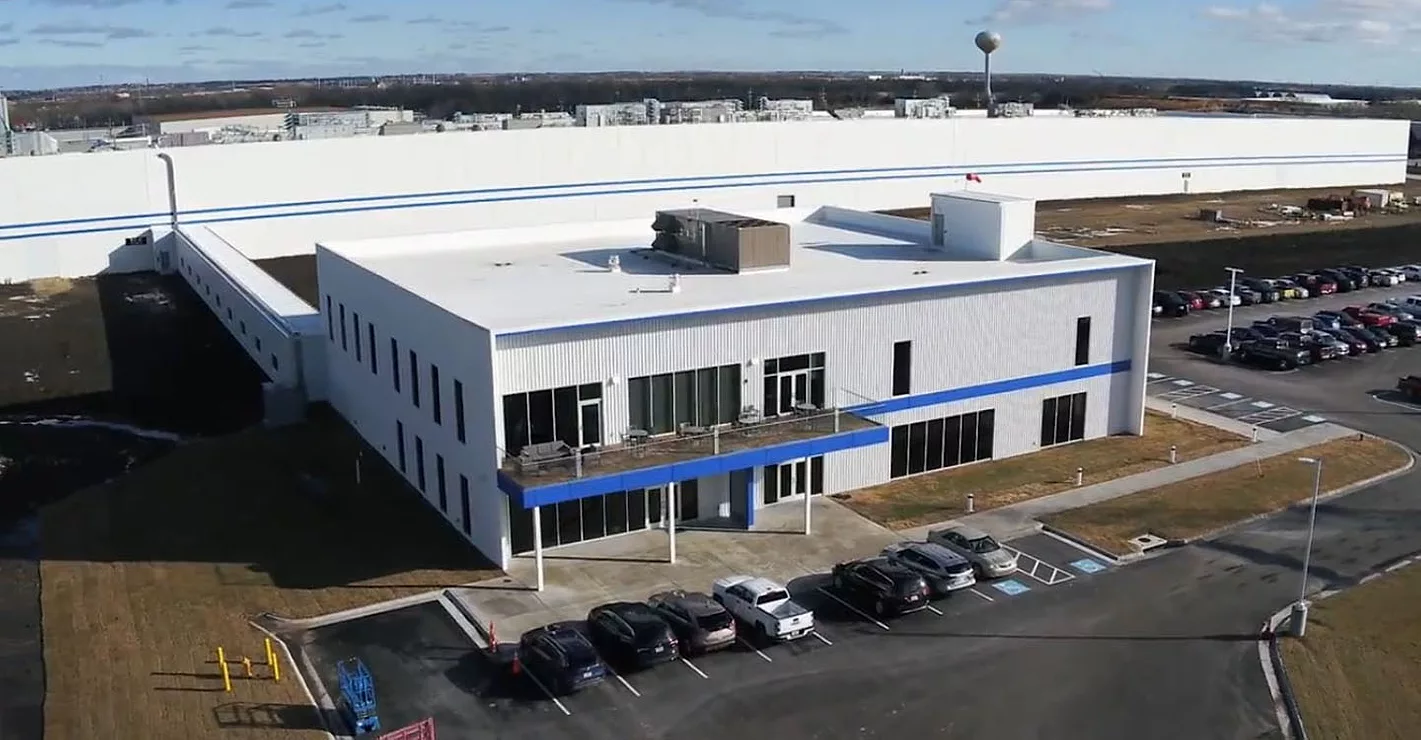
Several multistate operators, including Illinois-based Cresco Labs, serve these state markets, developing manufacturing, distribution — and often retail business — in each one. However, it’s not as simple as replicating operations in each market — a patchwork of state regulations brings differences in cultivation, packaging and product formulation.
By turning to data and automation, Cresco Labs seeks to standardize how it manufactures gummies, chocolates, mints and inhalable products across eight states while leaving room for market-based variation.
Comparing Cannabis and CPG Manufacturing
From a commercial standpoint, Melissa Wagamon, Cresco Labs regional president, says developing cannabis products is similar to traditional CPG products in that both aim to address specific consumer concerns and desires.
"In all categories, you start with the consumer," Wagamon says. "What does the consumer want? What do they need? How can you help them? And then you can build brands and products around those needs and those occasion states."
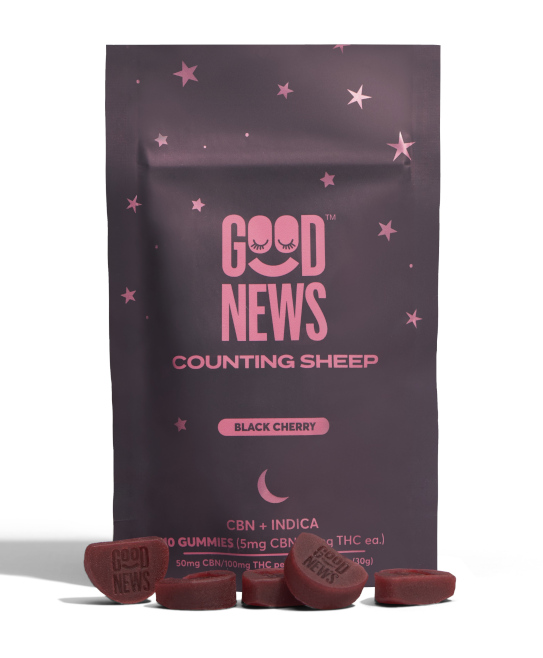
Cannabis packaging has to balance consumer interest, state regulations and fitting into limited dispensary storage space. Image courtesy of Cresco Labs
However, it diverges when it comes to packaging. While traditional CPG products aim to stand out on large retailer displays, cannabis products have to be stored in secure dispensary vaults with finite space. Cannabis manufacturers also contend with varying packaging regulations across state markets.
"Instead about thinking of how I can fit my blue box mac and cheese on a shelf at Target, it's a much smaller space," she says. "How can I fit it within that vault and make sure that the packaging works for the consumer, but then also is small enough and works for the retailer? That's been an interesting journey. We've definitely improved our packaging over time to make it work both for the consumer and for the customer."
Operationally, cannabis manufacturers must establish production within each state market, which can be capital intensive, but another issue, says Drew Duval, Cresco Labs’ head of operations strategy, is that cannabis manufacturers can’t benefit from the national scale some traditional manufacturers have.
Furthermore, growing their own raw materials – cannabis plants – before processing them and formulating with them adds more complexity, especially as Cresco Labs seeks to standardize processes to improve quality and efficiency while balancing state market needs.
"It’s all about how we standardize the way we're doing things nationally but also live within the scale in which we're given in that market because market sizes and our market share shifts," Duval says. "We try and take a lot from the manufacturing industry in a lot of ways. I think you're seeing us go more that direction as we mature as a market and as Cresco Labs in general, but still a lot of nuances to how we do that compared to the other industries."
Approach to Automation
The need for standardization plays a key role in how and why Cresco Labs pursues automation, Duval says.
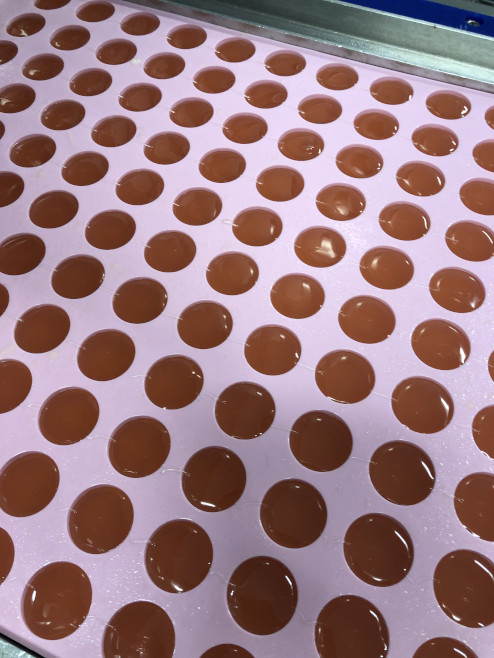
Cresco Labs seeks to standardize manufacturing processes across the markets it operates in, but each state has its own rules and regulations. Image courtesy of Cresco Labs
For filling vape cartridges, Cresco Labs uses an automated liquid filling machine to deposit cannabis oil at specified volumes. The company has also worked to automate the process for pre-rolled joints, or pre-rolls, to improve quality and reduce costs.
"The cost of packaging or rolling individual pre-rolls is why the price is so high because a lot of people are doing it manually, so we're finding creative ways in which we can deliver on an automation platform for pre-rolls but at a much higher quality than some of the other competitors out there while also reducing costs," Duval says.
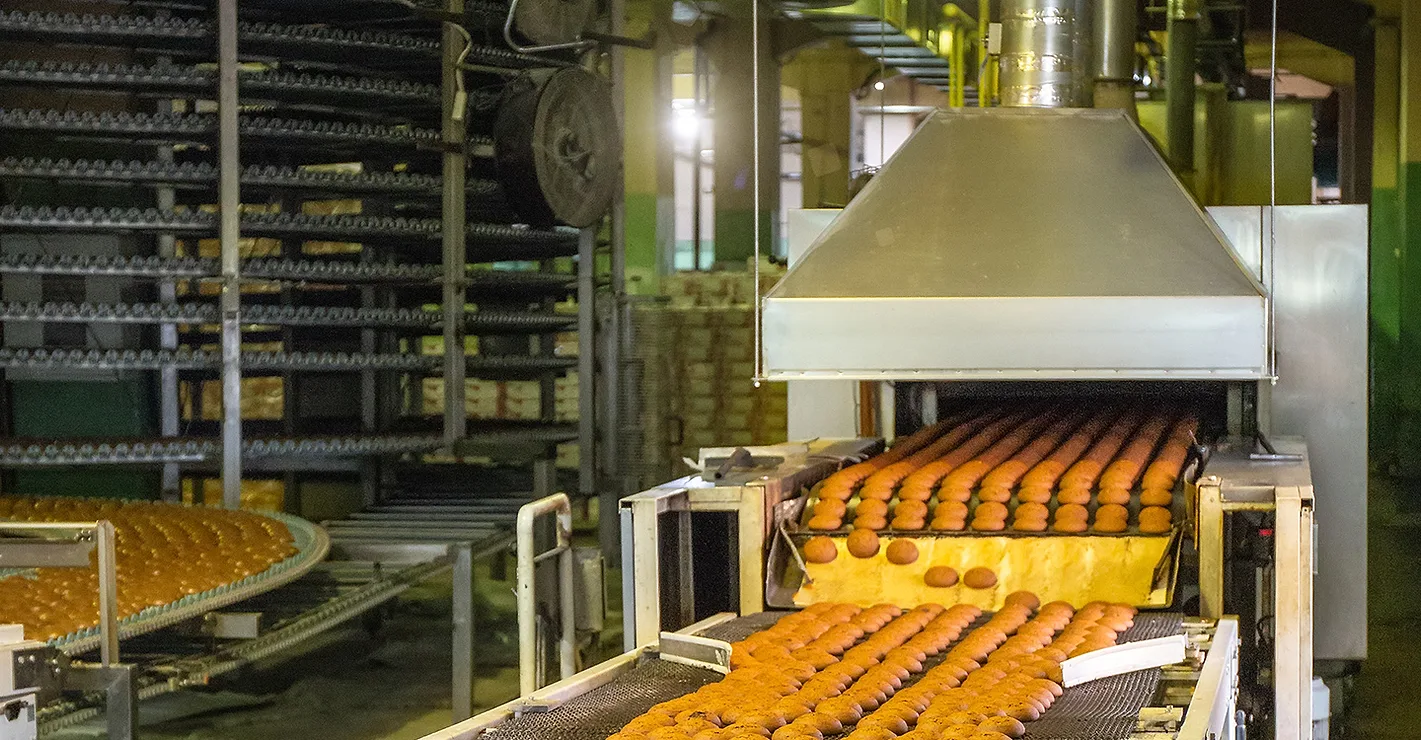
Whether Cresco Labs is packing edibles in film pouches or metal tins, the company uses an automated process. The goal, Duval says, is to normalize key performance indicators (KPIs) across states, with small exceptions for market-based differences.
"That's where that data comes back — whether it's cultivation, manufacturing, kitchen or in pack-out —
and we look at everything holistically," he says. "And the cool thing, too, is if somebody is doing something different or a new launch in, say, Illinois, we can take some of that data, reformulate and ask, ‘how would this play in another market?’ Now we've set a baseline for improvement."
Looking ahead, Duval says Cresco Labs is considering PLC mapping, vision technology and robotic arms to further advance the company’s automation capabilities. Cresco Labs is also seeking an integrator partner to bring everything together.
"We've made a lot of automation investment," Duval says. "Now it's about taking it and making sure that whatever we're building with that integrator fits on a platform and … if we're going to invest in this, there's a good ROI and a payback on it because it's going to scale X, Y, and Z products that have the volume in which we can justify that."
It’s not just about the technology. Duval says Cresco Labs aims to expand automation capabilities among employees, whether it involves searching outside the company or training existing employees.
"We're hiring for it, too — bringing on more automation experience into our organization, trying to build a bench at our facilities with training, and trying to develop the people we have but also bringing new people to help build those training programs."
What’s Next
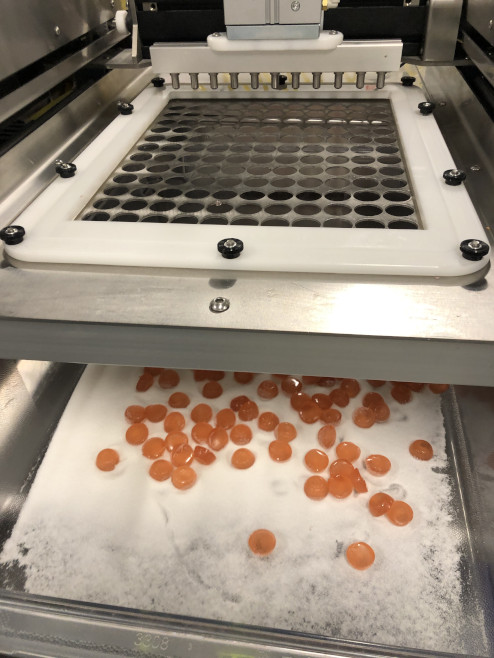
Automation cannabis edibles production not only improves quality and efficiency but helps with dosing THC and other cannabinoids. Image courtesy of Cresco Labs
Both Wagamon and Duval say they’d like to see expanded access to cannabis. In addition to having more state markets launch medical use — or transition to adult use — Wagamon says she’d like to bring in curious patients and consumers who have been hesitant to explore cannabis products. She adds the experience of visiting a guarded dispensary could discourage some consumers.
"My hope is that over time that feels less intimidating," Wagamon says. "Some of that friction can go away where it feels like just maybe shopping at a Walgreens and just feels a lot more normal because I think there's a whole group of consumers who we haven't reached yet who could either be helped with cannabis or it could fit into their wellness journey."
Duval also points toward the obstacles in conducting cannabis research. While Cresco Labs has a research partnership with Temple University, he says restrictions around how they administer clinical trials and a limited number of participants present barriers to learning about the plant, and ultimately, making science-backed product claims.
"It’s not just us – nationally, as people are able to access it and these research universities are able to study it alongside companies like Cresco Labs, I think you’re going to see some really big growth in the health and wellness space."
Looking for a reprint of this article?
From high-res PDFs to custom plaques, order your copy today!