
Articles Tagged with ''consumer trends''


Packaging
What’s in your sustainability toolkit?
Key considerations for brands and OEMs implementing eco-friendly packaging solutions
Read More


Study reveals most consumers think food labels are misleading
This study found that 33% consider transparency from a brand as an extremely important factor when purchasing food products.
Read More
The 2019 Top 100 Food & Beverage Companies
More than half the top 100 change places, but Nestlé stays No. 1
Read More

Study: Students' foodservice demands grow both on and off campus
The study says 33% of students are satisfied with their school's foodservice facilities.
Read More




Pet Food
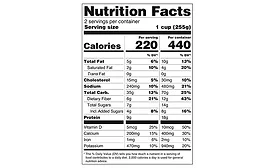
Consumer demand drives rapid growth in pet food market
Pet food processing and packaging industry continues to grow
Read More


Industry news
Sheetz chairman: Focus on customer experience key to convenience store growth
Constant evolution required to compete for quick-stop customers
Read More