Within its walls is one of the most technically advanced food processing plants in the country—a greenfield project built from the ground up with automation, labor savings, sustainability and smart design throughout.
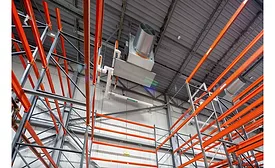
While market factors are driving rising demand for cold buildings, there are also practical reasons behind the need for newer, taller cold storage facilities.
By analyzing available instrument data, processors can improve their operational efficiency while performing proactive maintenance to reduce costly downtime.
Every industry wants to improve their efficiency, reduce operating costs and increase operating margins. One proven way to achieve these goals is to embrace the principles of lean manufacturing.
Steam generators are known for their efficiency and saving energy, and retorts have been notorious users of steam. What have retorts done lately to save energy?
Krispy Kreme uses Siemens drives and controls integrated by Think PLC automation consultants, making each store a high-tech doughnut manufacturing facility.
From its early beginnings, the Krispy Kreme company has designed and built the proprietary machines that have given “rise” to their equally safeguarded doughnut recipe.
The cultivated meat industry is still in its infancy, and like many other burgeoning technologies—food or otherwise—the actual agreed-upon name for what the finished product will be called is being debated by those who make it.
A snapshot of where cultivated meat stands in 2022, along with equipment and facilities needed to meet anticipated demand, and when initial products could finally reach the marketplace.
 RSS
RSS




.webp?height=168&t=1646759025&width=275 "Production To Fork Cultured Meat Manufacturing Facility")


