Items Tagged with 'vision systems'
ARTICLES



Automation
Robotics Solutions for All Food Processing Jobs and Seasons
Robots and cobots, with the help of some clever programming and AI, can take on most any job anytime, anywhere.
Read More


Vision/Inspection/Detection
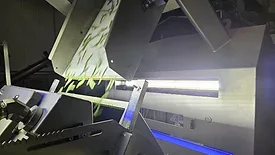
Key Technology Introduces COMPASS Optical Sorter for Fresh, IQF Vegetables
Read More
Vision/Inspection/Detection
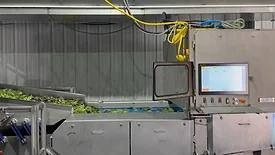
Key Technology Introduces COMPASS Optical Sorter for Leafy Greens
Read More
How Optical and X-Ray Inspection Supports Bottling Safety and Quality
A multi-layered approach can reduce contaminants, recalls and waste in bottled food manufacturing.
Read More

Vision/Inspection/Detection
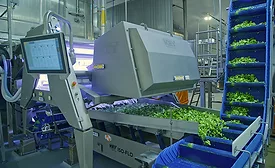
Plan Vision System Upgrades Carefully
Today’s vision systems are more powerful than their earlier counterparts, and many processors choose to use vision, X-ray and metal detection systems to meet regulatory demands and ensure quality.
Read More

Vision/Inspection/Detection