Research & Development
Nestlé Develops Technique to Get More Yield from Cocoa Fruit
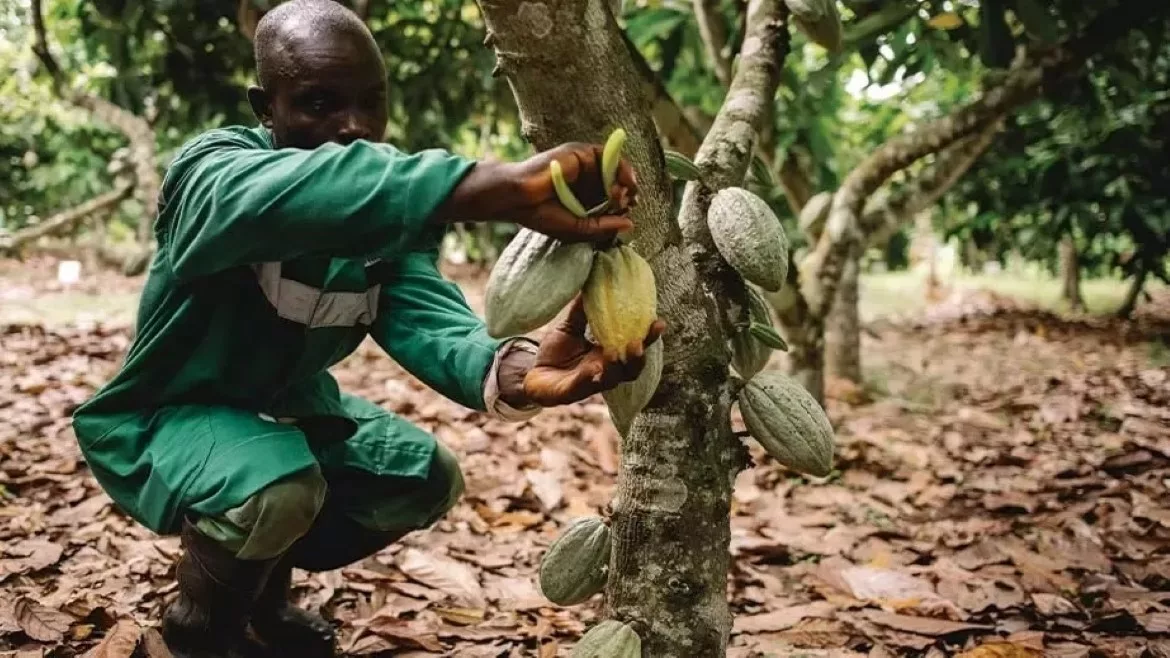
Nestlé has developed a technique that utilizes up to 30% more cocoa fruit to produce chocolate while maintaining taste. This approach not only minimizes waste, but also helps farmers get more yield, as well as value from their cocoa harvests.
Traditionally, chocolate is made using only the cocoa beans that are extracted from inside the cocoa pods. The beans are harvested, fermented, dried, roasted and then ground into a liquor, which is used to make chocolate. However, a significant amount of cocoa fruit, including the pulp, placenta and pod husk, remains largely unused.
Recognizing the potential of these parts of the cocoa fruit, Nestlé’s R&D experts developed a technique that leverages all parts of the fruit inside the cocoa pod. In this method, everything inside the pod is collected as a wet mass, which ferments naturally, unlocking the chocolate flavor. The mass is then ground, roasted and dried into chocolate flakes, which can be used to make chocolate without compromising the taste.
“With climate change increasingly affecting cocoa yields around the world, we are exploring innovative solutions that could help cocoa farmers maximize the potential of their harvests,” says Louise Barrett, head of Nestlé’s research and development center for confectionery in York, U.K. “This groundbreaking technique utilizes more of the fruit while enabling us to provide delicious chocolate to our consumers. While this project is still at a pilot stage, we are currently exploring how to apply this innovation at a larger scale.”
The technique has the potential to increase the amount of cocoa material available to farmers, as well as to free up time for them. With more efficient cocoa extraction, farmers could have more time to focus on agricultural practices, such as pruning, which has been demonstrated to improve yields.
Looking for a reprint of this article?
From high-res PDFs to custom plaques, order your copy today!