Regulatory Update
HHS, USDA Unveil Dietary Guidelines Prioritizing ‘Whole Foods’ Over ‘Highly Processed’ Foods
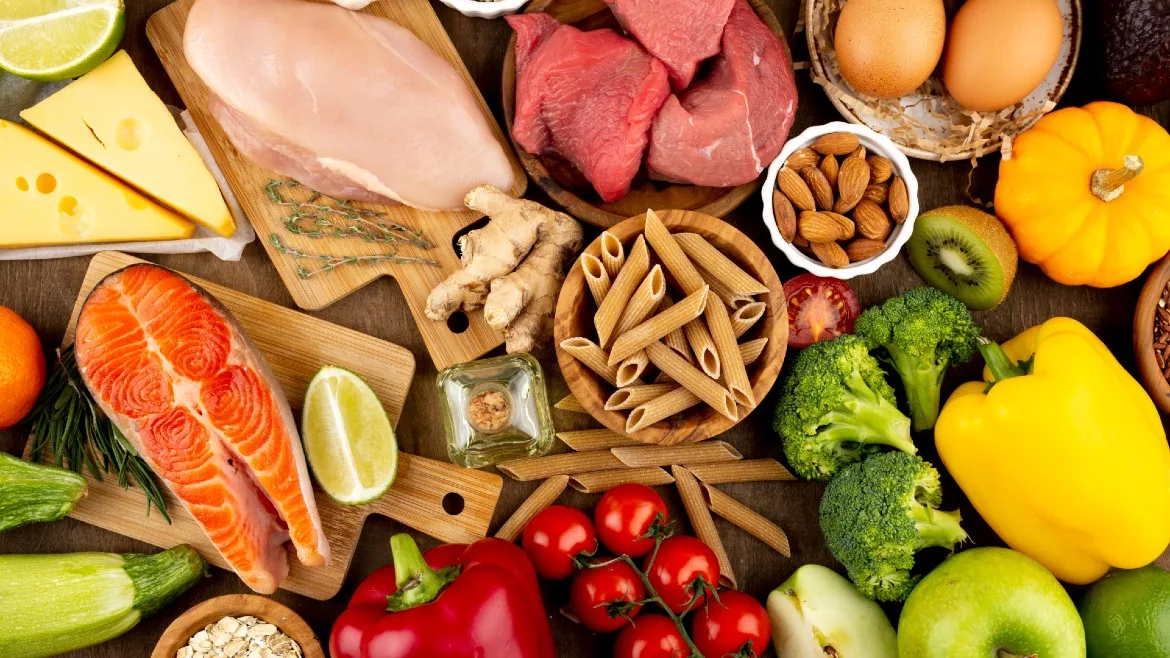
The U.S. Department of Health and Human Services and the U.S. Department of Agriculture have unveiled dietary guidelines that prioritize “whole foods” – such as protein, healthy fats, fruit and vegetables, and whole grains – over "highly processed" foods.
These agencies cite chronic health conditions, including obesity and diabetes, and “pharmaceutical intervention” for the recommendations in the Dietary Guidelines for Americans, 2025-2030. Generally, the guidelines suggest that consumers:
- Prioritize protein at every meal
- Consume full-fat dairy with no added sugars
- Eat vegetables and fruits throughout the day, focusing on whole forms
- Incorporate healthy fats from whole foods such as meats, seafood, eggs, nuts, seeds, olives and avocados
- Focus on whole grains, while sharply reducing refined carbohydrates
- Limit highly processed foods, added sugars and artificial additives
- Eat the “right amount” based on age, sex, size, and activity level
- Choose water and unsweetened beverages to support hydration
- Limit alcohol consumption for better overall health
Specifically, the guidelines call for avoiding “highly processed packaged, prepared, ready-to-eat, or other foods that are salty or sweet, such as chips, cookies, and candy that have added sugars and sodium (salt).” Additionally, limiting foods and beverages with artificial flavors, petroleum-based dyes, artificial preservatives and low-calorie non-nutritive sweeteners is also recommended.
The guidelines also state: “While no amount of added sugar or non-nutritive sweeteners is recommended or considered part of a healthy or nutritious diet, one meal should contain no more than 10 grams of added sugars.”
Like the previous edition, the 2025-2030 guidelines recommend less than 2,300 milligrams of sodium for people older than 14 and less than 10% of daily calories from saturated fats.
Specific alcohol limits—which were previously established at less than two drinks per day for adult men and less than one drink per day for adult women — were removed, but the updated guidelines suggest consuming “less alcohol for better health.”
The guidelines also provide tailored recommendations for infants and children, adolescents, pregnant and lactating women, older adults, individuals with chronic disease, and vegetarians and vegans.
The National Confectioners Association (NCA) – which represents candy and snack manufacturers — says it “supports and values the role of the dietary guidelines in promoting balanced nutrition.”
“American consumers have a unique mindset when they enjoy chocolate and candy that is not present when interacting with other foods,” the NCA says. “People in the U.S. enjoy chocolate and candy 2-3 times per week, averaging just 40 calories per day and about one teaspoon of added sugar per day. To help consumers choose the right treat for any occasion, chocolate and candy companies are offering more variety in pack sizes and portion options than ever before – all while reminding consumers that candy is a treat and not a center-of-the-plate food.”
The guidelines state "frozen, dried, or canned vegetables or fruits with no or very limited added sugars can also be good options." Alison Bodor, president and CEO, American Frozen Food Institute, clarifies that "frozen fruits and vegetables are consistently just as good as fresh options."
"Frozen produce often contains the same or better nutrient levels as fresh and has a longer shelf life that prevents food waste, making them a very affordable option," Bodor says. "Plus, pre-portioned prepared frozen meals directly address the DGA's call for attention to portion size. It's time for fresh thinking about frozen foods - their convenience makes eating whole foods easy for real American families."
Looking for a reprint of this article?
From high-res PDFs to custom plaques, order your copy today!