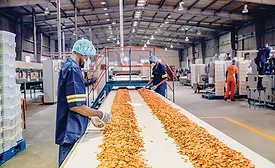
Food and beverage employees on the front line need
to remain safe and healthy to continue
to bring the food and beverage supply
to the masses during the COVID-19 pandemic.
The COVID-19 pandemic is forcing manufacturers of food, beverages and other consumer packaged goods to adapt how they clean, protect workers and meet production goals.
While we can't pretend to cover in one article what an entire publication devoted to security does, we will look at some key pointers in keeping employees safer in the workplace.
Given the ongoing issues with the COVID-19 virus and the reactions by government, which is treating the ongoing battle as if it was a war, the food industry is going to have to step forward.
The U.S. Department of Labor’s Occupational Safety and Health Administration (OSHA) has issued interim guidance for enforcing OSHA’s recordkeeping requirements (29 CFR Part 1904) as it relates to recording cases of COVID-19.
The FDA has issued information and best practices for retail food stores, restaurants, and pick-up and delivery services during the pandemic to protect workers and customers.
The FDA has been adding frequently asked questions along with answers to its Center for Food Safety and Applied Nutrition COVID-19 Updates section of its website as the COVID-19 pandemic unfolds.
The ongoing coronavirus pandemic offers no threat to the safety of ingredients or finished food and beverage products, as it is a fragile virus that can’t stand up to cooking temperatures or the industry’s already rigid cleaning and sanitation requirements. But the pandemic does present challenges for worker safety, and processors must be proactive in addressing those challenges in an effective way.
Designed to work with any piece of equipment from 200 to 500 V, this lockout/tagout system (LOTOS) replaces standard disconnect operations on processing equipment.