3D printing, while serving roles in package design, tools and spare parts, is finding applications for creating unique foods that aren’t practical for conventional methods.
Additive manufacturing can describe two technologies in food production — the more commonly known is 3D printing, which has been borrowed from 3D tool and parts making, but robotic work cells can also fit the definition of additive manufacturing.
The initiative forms part of Barry Callebaut’s multi-year digitalization agenda, where Barry Callebaut is entering into the AI era and reinforcing the company’s commitment to deliver innovation.
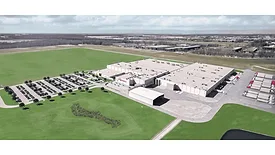
Built in one of Ontario’s fastest-growing food manufacturing regions, the facility is equipped with advanced production lines focused on liquid molding, liquid chocolate and industrial molding.
The facility provides Foreverland with the capability to run industrial trials with larger clients, secure small and medium-sized business customers, and deliver a scalable supply of cocoa-free chocolate alternatives.
Every wasted minute of conching translates directly into extra production costs, particularly at a time when energy and raw ingredient prices are rising. This is why producers are looking at the energy efficiency of their conche equipment.
Available for a limited time, KIT KAT Santas feature imprinted boots, a jolly smile and an even crispier wafer-to-chocolate ratio than a traditional KIT KAT bar.
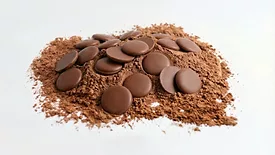
T. Hasegawa’s Cocoa Powder Replacer was developed over a multiyear period by the company’s U.S. R&D team in anticipation of global supply issues affecting the availability and cost of raw materials.