In addition to artificial intelligence (AI), big data and sustainability concerns, food industry professionals taking part in PMMI's research emphasized health-driven product shifts, ongoing workforce constraints and heightened sanitation scrutiny.
In addition to varied initiatives, Conagra Brands encourages developing plant-level sustainable practices with the annual Sustainable Development Awards.
Christine Daugherty, vice president and chief sustainability officer at Conagra Brands, discusses the company’s approach to developing goals for packaging, carbon reduction and water stewardship, as well as Conagra’s Sustainable Development Awards, which recognize innovative, plant-level efforts to operate more sustainably.
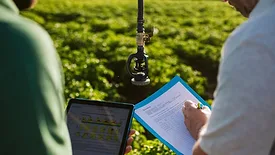
PepsiCo highlights progress against its 2030 Positive Agriculture (pep+) goals, with gains in scaling regenerative agriculture and restorative and protective practices, advancing sustainable sourcing, and improvements in livelihoods.
The executive order directs HHS, USDA and the EPA to strengthen research, innovation and public-private partnerships that support regenerative agriculture while advancing the Make America Healthy Again agenda.
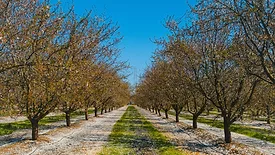
Through the KIND Almond Acres Initiative, the company tested regenerative agriculture practices and innovative technologies in California, home to approximately 80% of the world's almond production.
The company’s regenerative agriculture strategy is based on three core principles: improving soil health, strengthening biodiversity and ecosystems, and supporting farming communities in their transition toward more resilient practices.
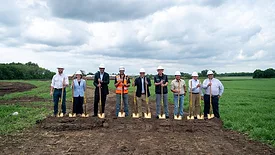
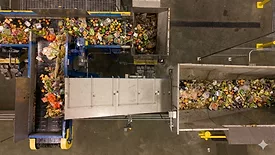
The facility will process more than 300 tons of food and beverage waste per day, providing regional manufacturers, retailers and distributors with a reliable way to divert material from landfills.
At capacity, the facility will transform the material it receives into over 235,000 MMBtu of renewable energy and 450,000 pounds of nutrient-rich fertilizer annually.
While OEE is a must-have for troubleshooting line problems, contextualized OEE data with its time signatures is a key input in analyzing when and what went wrong with a plant’s total production process, including wasted product and utilities. And it can even aid in the track-and-trace process.
Faced with rising ESG expectations, carbon reduction mandates and consumer pressure for climate-conscious sourcing, companies are reevaluating every link in their supply chain. Yet one of the most fuel-intensive, labor-constrained and congestion-prone areas often goes overlooked: yard operations.