Case Study
How Perry’s Ice Cream Enhanced Its Freezing Process
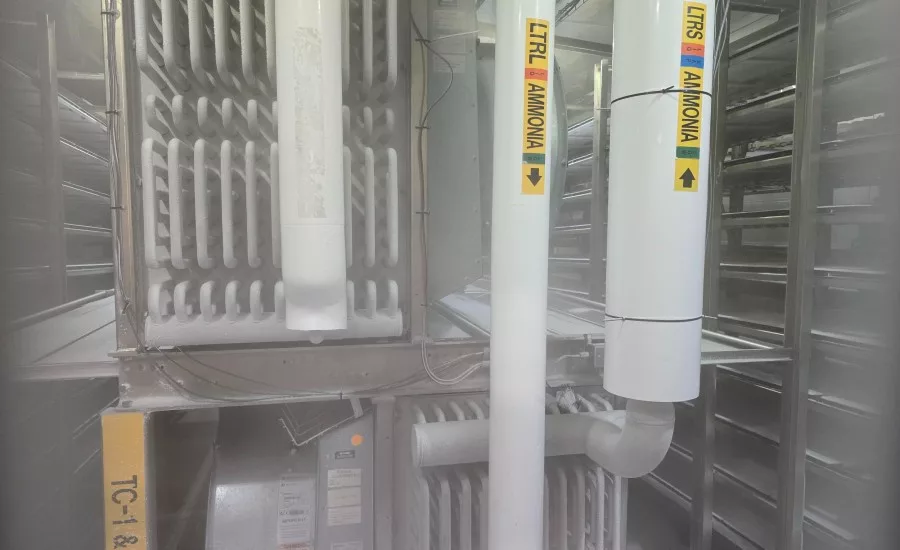
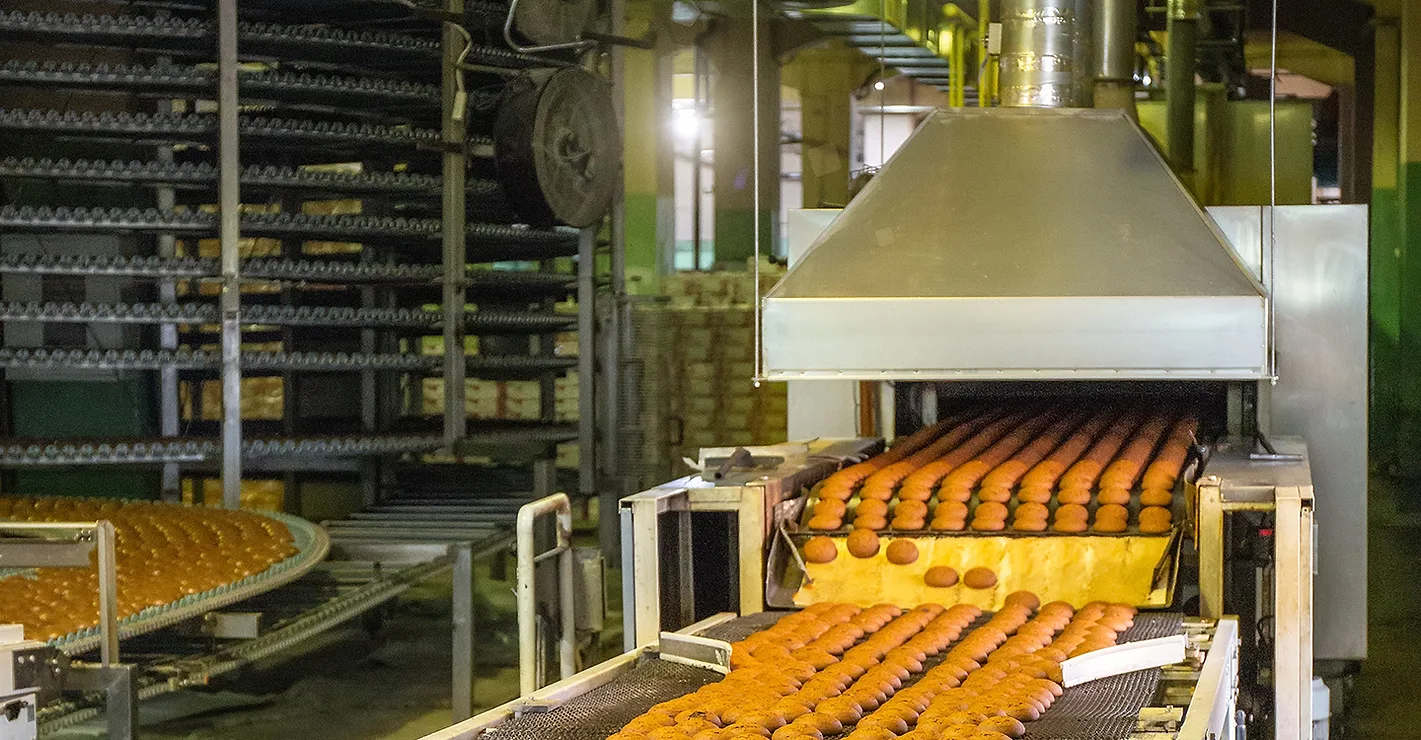
Perry’s Ice Cream, which manufactures ice cream bars, pints, squrounds and 3-gallon tubs for grocery stores, independent shops and sports stadiums in its Akron, N.Y., manufacturing plant, recently installed a spiral freezing tunnel to produce a new line of ice cream bars. Manufacturing a variety of products on the line required holding a constant temperature with varying heat loads.
“We weren’t able to reach the desired temperature of minus 40 degrees Fahrenheit,” says Matthew Stachura, Perry’s process safety management coordinator. “We constantly needed to adjust the hand expansion valve, and the suction header would flood, and couldn’t get refrigerant through the system.”
In addition to the constant maintenance, which slowed production, the plant also had to lower the freezer’s evaporating temperature by 5-10 degrees, increasing energy consumption and utility costs.
‘A Brain Behind Everything’
As the team worked to manage the freezer maintenance, Stachura and some of his colleagues attended a safety day hosted by the Western New York chapter of the Refrigerating Engineers and Technicians Association (RETA) where suppliers were invited to share their solutions for ammonia refrigeration.
One of the exhibitors was Hernan Hidalgo, Danfoss Climate Solutions’ industrial refrigeration sales director in North America. Hidalgo presented NeoCharge, a solution with sensors, control valves and an electronic controller. Suitable for both new installations and retrofits of existing systems, the NeoCharge components can lower costs and reduce the environmental impact of refrigeration operations by reducing ammonia charge. Built-in safety features such as data monitoring and alarm notifications allow for continuous operation, minimizing downtime and maximizing system uptime.
Stachura had already seen a webinar on NeoCharge that had been hosted by the International Institute of All-Natural Refrigeration (IIAR) and was intrigued. Following discussion with Hidalgo, Perry’s decided that NeoCharge was the solution the company was seeking to improve the performance of the new spiral freezer.
NeoCharge determines and feeds the correct amount of refrigerant that the equipment needs through the evaporator coil. It integrates with existing PLCs and supervisory systems, reducing complexity and improving control. The solution supports both direct expansion and recirculated systems and includes digital monitoring features. In recirculating systems, such as the one used by Perry’s, NeoCharge delivers a controllable low recirculating ratio regardless of changing conditions. This reduces the ammonia charge by 30-40% in existing systems and even more in new systems.
Perry’s needed the tunnel to maintain a constant set temperature no matter what type or flavor of ice cream bars was being produced. Due to the specific ingredients, each ice cream flavor — vanilla, chocolate, ice cream with nuts or chips — requires a constant temperature for ideal results. NeoCharge provides the ability to overcome changes in heat load in real time due to the advanced algorithm receiving feedback from the proprietary sensor.
“A manual refrigeration system is hard to manage due to the instabilities,” Stachura says. “Adopting NeoCharge gave us a brain behind everything.”
Installation and Implementation
The first step in the installation process, completed in January 2025, was to retrofit the existing system for the control valves required for NeoCharge, which was done in collaboration with a contractor. Then, over a period of three days, the Danfoss industrial refrigeration team installed the full NeoCharge solution, consisting of the NeoSensor, NeoCharge panel with ICAD600B actuator, ICF valve station with ICFR20 motorized control valve module, and Danfoss’ CoolConfig software. Notably, the installation was conducted during a regular plant maintenance period and installed over 72 hours with no disruptions to production.
In the months following implementation of NeoCharge, the spiral freezer can now maintain temperatures as low as minus 45 degrees Fahrenheit and evaporator temperatures of minus-50 degrees Fahrenheit. Output is now consistently 22,500 bars per hour, meeting production targets.
“We are even dialing back on how much the compressors are running, reducing load and utility costs,” Stachura says. “We have had a lot of great interaction with the Danfoss team during the process and are continuing to share data from operations.”
Looking for a reprint of this article?
From high-res PDFs to custom plaques, order your copy today!