Outbreak Investigation
Michigan Health Officials Point Toward Lettuce as Source for Cyclospora Outbreak
The Michigan Department of Health and Human Services (MDHHS) reports its investigation into the cyclospora outbreak that has sickened more than 2,600 people in the state points toward “lettuce and salad greens” as a potential source.
The department, which has reported 2,640 cases as of July 13, noted other food items can’t be completely ruled out since no specific type of produce, grower or supplier has been identified as the source.
“Although we do not have a definite product identified as the source of the outbreak, we want to let Michiganders know what we have learned so far so they can take steps to protect their families,” says Natasha Bagdasarian, chief medical executive. “Early information has shown lettuce as a common product that regularly comes up during the investigation. We will continue to provide updates as we learn more.”
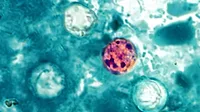
Cyclospora is a microscopic parasite that causes cyclosporiasis, with symptoms including watery diarrhea, nausea and stomach cramps. It is often contracted by eating or drinking something contaminated with the parasite. Typically, Michigan only records 40 to 50 cases of cyclosporiasis annually.
MDHHS says it continues to work closely with local health departments to conduct in-depth interviews of individuals testing positive for cyclosporiasis, as well as with other state and federal partners to conduct traceback investigations. More than 1,000 interviews have than have been completed to date.
For now, the department recommends buying whole heads of lettuce instead of prepacked greens and discarding the outer layers before thoroughly washing the inner leaves. For greens that can be cooked, they should be heated to at least 158°F to kill the parasite.
Previous cyclospora outbreaks have been connected to bagged salad mixes and kits, as well as cilantro, basil, raspberries, snow peas and green onions.
Federally, the U.S. Centers for Disease Control and Prevention (CDC) reported last week it has confirmed more than 800 cases of cyclosporiasis across 31 states. The agency has not identified a source for the outbreak.
Looking for a reprint of this article?
From high-res PDFs to custom plaques, order your copy today!