Packaging
Innovative Materials Offer Increased Sustainable Functionality
The shift toward a more circular economy has led to the adoption of mono-material structures. However, trade-offs exist on the road to improved sustainability for machinery and materials alike.
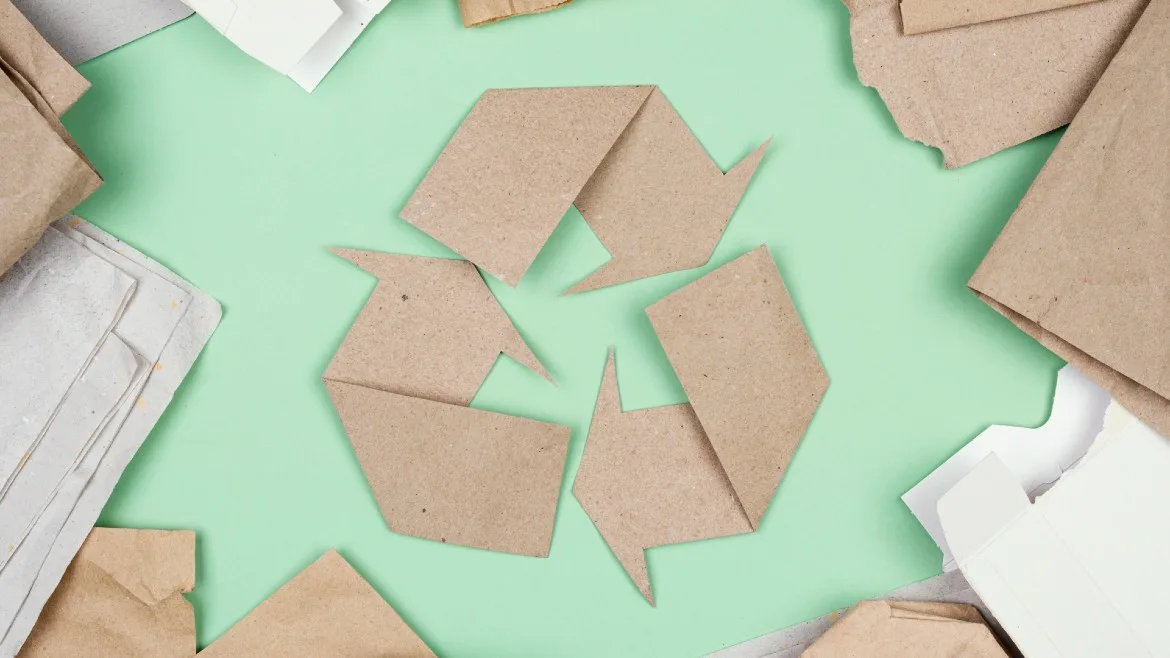
As processors transition to sustainable packaging materials, trade-offs are almost guaranteed. Among the most common challenges for food and beverage manufacturers are higher production costs and diminished product protection and quality.
These findings were detailed in The New Material World: Packaging’s Path Toward Sustainability, a Compass Update report, from PMMI, The Association for Packaging and Processing Technologies.
Economic pressure, especially cost implications, has been the primary barrier to adoption. End users are wary not only of direct material cost increases but also of downstream risks such as product damage or failure.
While the research insights indicated that most companies have a low-to-moderate likelihood of increasing their use of reusable materials, recyclable materials continue to be the primary focus for packaging innovation and sustainability initiatives. Specifically, more than 80% of respondents indicated that their company was likely to increase the use of recyclable materials within the next five years, particularly in cases where retailers require their use.
EXPLORE MORE


According to another PMMI research study, The Ripple Effect: CPG Sustainability and the New OEM Spec Sheet, there is a growing demand for equipment capable of handling lightweighted packaging, post-consumer recycled materials, smaller pack sizes, the elimination of secondary packaging and other sustainable formats. The study also underscored the increasing importance of energy efficiency, waste reduction, sustainability reporting and compliance with evolving regulations such as Extended Producer Responsibility (EPR) programs.
In fact, sustainability initiatives are fundamentally changing the relationship between consumer packaged goods (CPG) companies and original equipment manufacturers (OEMs). The report found that sustainability is actively influencing material selection throughout the packaging and processing supply chain.
New Materials Focus on Functionality
Materials such as paper and fiber continue to gain traction, while the use of bio-based and compostable materials has dropped largely due to less desirable performance attributes.
The shift toward a more circular economy has also increased the use of mono-material structures, as relying on a single material or polymer group for a container and its components leads to greater recyclability and a reduced environmental footprint.
In addition, EPR legislation is currently a top driver of material choices for many processors. As EPR programs expand, the industry is transitioning away from traditional, hard-to-recycle multilayer plastics. Instead of using traditional plastic film sheets, new material developments combine paper and fiber substrates to achieve high-barrier packaging properties. These new fibers also offer both recyclability and biodegradability.
Today, flexible packaging accounts for 20% of the total U.S. packaging market, making it the second-largest packaging segment behind corrugated. The largest user of this flexible packaging (accounting for 45% of the market) is the food industry, according to the Flexible Packaging Association’s 2025 State of the U.S. Flexible Packaging Industry report.
Packaging material innovations will be a major focus at PACK EXPO International 2026, set for Oct. 18-21 at McCormick Place in Chicago. The event features breakthrough technologies, providing attendees with direct access to thousands of packaging and processing solutions designed to address sustainability.
Trade show attendees seeking sustainable solutions will find a range of resources, including:
The Containers and Materials Pavilion: Look for new materials and containers to refresh, enhance, or differentiate their brand, create shelf impact, offer more convenience and functionality to customers and increase sustainability, and work on existing equipment.
The Reusable Packaging Pavilion, sponsored by the Reusable Packaging Association (RPA): Showcases sustainable packaging solutions to help reduce waste, cut costs, and gain supply chain efficiency. Explore reusable transport packaging products and services and see innovative reuse solutions.
Reusable Packaging Learning Center, sponsored by RPA: Discover how implementing a reusable packaging system can improve material-handling performance, reduce operating costs, improve economics and lower environmental impacts in your supply chain.
Sustainability Central: Here, attendees can connect with experts, explore emerging trends and gain practical guidance on sustainability strategies and technologies.
Sustainability Solutions Finder: This online planning tool helps attendees build a customized show-floor experience focused on specific environmental goals.
Sustainability-focused Education: Show-floor sessions will feature topics such as regulatory developments, sustainable materials, circular economy initiatives, package design and best practices.
Looking for a reprint of this article?
From high-res PDFs to custom plaques, order your copy today!