Building the Protein Boom: How Dairy Processors Can Engineer Success through Plant and Utility Upgrades

The protein craze has finally met a constraint it can't reformulate around.
After years of adding grams to everything from coffee creamer to snack chips, food and beverage makers have run the whey supply dry. According to DCA Market Intelligence, food-grade whey powder recently reached a record approximately $1,960 per ton, up more than 50% since the start of the year, and high-protein concentrate has climbed sharply.
The structural problem is well understood. Whey is a byproduct of cheese, so processors cannot make more protein without making more cheese. That single fact has reframed how the dairy industry sees itself. As Agri-Mark executive Bryan Weller told the Financial Post, a cheese company now has to start thinking of itself as a protein company.
The industry's response has been to build. According to the International Dairy Foods Association (IDFA), dairy processors have committed more than $11 billion to new and expanded manufacturing capacity across 19 states, spread over more than 50 projects between 2025 and early 2028, with U.S. milk production projected to grow by 15 billion pounds by 2030. Those are the right instincts. But announcing capacity and delivering it on schedule are two very different undertakings, and the gap between them is where this boom will be won or lost.
Bottlenecks: Think Equipment and Utilities
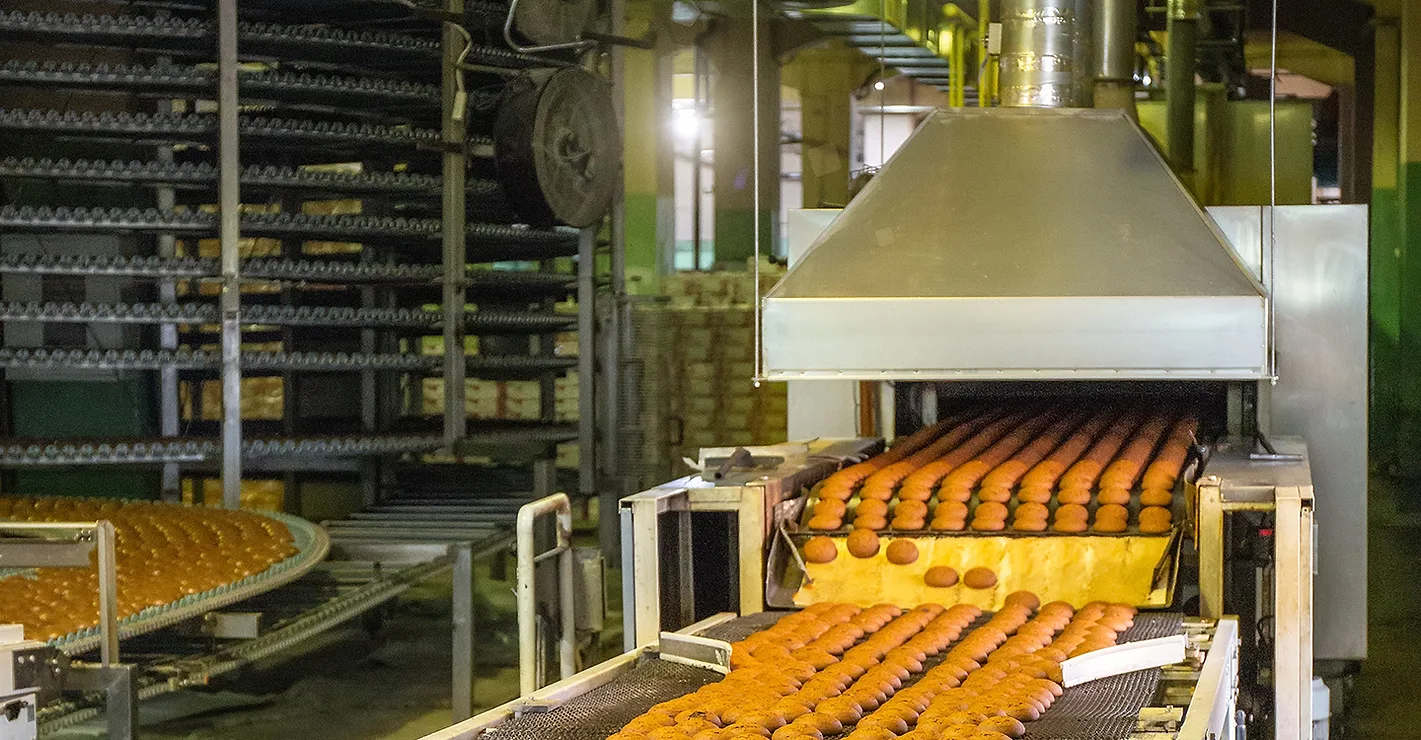
A protein expansion is not simply more tanks and more floor space. Concentrating protein from milk is among the most utility-intensive processes in food manufacturing. Membrane filtration, evaporation and spray drying carry heavy and continuous demands for power, steam, refrigeration, and above all water, both clean water coming in and treated effluent going out.
For many sites, the production equipment is not the limiting factor — the utility infrastructure is. A processor can buy a drying line, but substation upgrades, the boiler capacity, the wastewater treatment expansion and the local utility commitments that line depends on are slower, costlier and far harder to compress. A project that treats utilities as a late-stage detail rather than a first-order design driver can end up with the problem discovered at the worst possible moment, after the equipment has been ordered and the schedule has been published.
Everyone Is Building in the Same Window
The $11 billion figure also hides a second-order risk: When an entire industry decides to expand at once, it competes for the same finite resources. The evaporators, dryers and membrane systems at the heart of these plants are long-lead items, and lead times stretch as order books fill. The skilled construction trades that install them are in the same position, and so is the engineering capacity to design them.
The squeeze is sharpest on electrical infrastructure, and it reaches well beyond dairy. Transformers, switchgear and related power equipment have been running on extended lead times because data centers, grid electrification and a wave of domestic manufacturing are all drawing from the same supply. A protein plant competing for a transformer is not only competing with other processors. It is competing with the entire electrified economy. Early procurement of those components is no longer a scheduling nicety. It is often the critical path.
This is the difference between a single project and an industrywide surge. In isolation, a processor can plan around a known equipment lead time. In a surge, that lead time is a moving target, and the processor who locked in capacity early holds a real advantage over the one still finalizing scope. Speed to market in this cycle is set less by how fast a plant runs and more by how early and how decisively the execution path was secured.
The Corner That Gets Cut First
When schedules compress, something gives, and the first thing deferred is often the work that does not show up on a startup date: sanitary design. That is a costly thing to defer, because cleanability cannot be added later. It has to be built into the layout, the equipment selection and the utilities from the start.
This is where the rush carries real risk. Sanitary design is preventive by nature. Designed well, it lowers the odds of contamination, recalls and the extended downtime that can erase a quarter of production. It also pays back daily through shorter cleaning cycles, lower chemical use and longer equipment life. Designed poorly, or addressed late, it becomes a permanent operating tax on a brand-new asset.
The stakes are higher than usual right now because much of this new capacity is aimed at high-protein and alternative formats whose microbiological risk profile differs from traditional dairy. A process built to make cheese is not automatically suited to concentrate, dry and handle protein at the volumes this demand requires. Capacity that comes online fast but cannot be cleaned, accessed and verified easily is not really capacity. It is a recall waiting to happen.
Engineering and Construction Execution: The Real Differentiator
This is why the delivery model deserves as much executive attention as the capital decision itself. A few questions separate the projects that hit their dates from the ones that slip.
- Greenfield or brownfield? Expanding within an existing site can be faster and cheaper, but only if the current utilities, effluent capacity and footprint can absorb the new load. Often, they cannot, and the brownfield that looked like a shortcut becomes the harder build, with legacy conditions and live-plant tie-ins that must be sequenced around ongoing production. Greenfield buys flexibility but demands new infrastructure and permitting, which is why shovel-ready sites with confirmed power and water are becoming competitive. Either way, that analysis belongs at the front of the process, not midway through it.
- Integrated delivery over handoffs? The slowest path is the one that designs the building first and fits the process in afterward, then discovers the facility cannot support its own operating requirements without rework. The faster path puts construction and procurement at the table from the outset. This allows the plant to be designed around the actual process and its utilities rather than generic assumptions, and for vendor lead times and site logistics to shape the layout before equipment is bought. Overlapping design, procurement and construction in this way compresses the schedule without skipping the front-end planning, hazard reviews and commissioning plans that protect it.
- Commissioning and startup, planned from day one? Capacity that exists on paper earns nothing until it produces qualified product at rate. Building the commissioning and startup strategy into the design, rather than bolting it on at the end, is frequently the difference between hitting a market window and missing it.
The Bottom Line
It is tempting to read all of this as an argument for spending more. It is the opposite. The path that looks the least expensive at the outset — lowest bid, utilities sorted out later, sanitation value-engineered down — is usually the one in which its real costs are discovered late, through change orders, rework and a startup date that slides past the demand it was meant to capture. In this market, a late plant does not just cost more. It misses the window.
The demand is real and the capital is committed. The constraint now is execution. The processors who treat utility infrastructure, equipment procurement, sanitary design and delivery strategy as central to the investment, rather than logistics to sort out later, are the ones who will turn this protein boom into product on the shelf. The $11 billion is the easy part. Bringing it online is the hard part.
Looking for a reprint of this article?
From high-res PDFs to custom plaques, order your copy today!