
Articles Tagged with ''cheese''


Mergers & Acquisitions
Kraft Heinz sells cheese brands to Groupe Lactalis for $3.3 billion
Brands sold include Cracker Barrel, Breakstone's, Knudsen, Athenos, Polly-O, Hoffman's and Cheez Whiz.
Read More
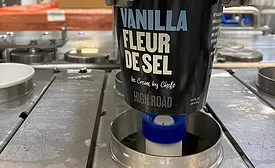
Private label food makers rise to today’s challenges
From current macroeconomic conditions to the pandemic to dealing with change, two private label food manufacturers open up about how their companies thrive.
Read More

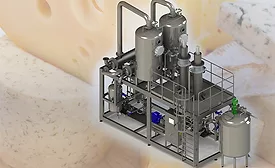
Heat exchangers
Cheese maker expands capacity with heat exchanger technology
A novel use of evaporation has increased drying capacity for a major European cheese processor
Read More


Fabulous Food Plants
Hispanic Cheese Makers' fabulous food plant sets the bar for reducing waste
Hispanic Cheese Makers’ wastewater lagoons are a big project, but a small part of the company’s overall sustainability goal
Read More


Field Reports
ERP solution keeps cheesemaker running lean
Zuger implemented an end-to-end ERP software solution to streamline and optimize workflows throughout its entire operation
Read More

TECH FLASH
A trip to an Italian Parmigiano Reggiano cheese production facility
The thousand-year old process requires quality ingredients, precise control and plenty of time.
Read More