Nestlé says the Deep Tech Center will help it draw on consumer insights, accelerate innovation, deliver superior quality for consumers and run more efficient operations.
By turning to data and automation, Cresco Labs seeks to standardize how it manufactures cannabis products while leaving room for state-based variation.
Cresco Labs produces cannabis edibles and inhalable products at 13 facilities across eight states, actively implementing automation technologies to enhance quality and efficiency. The company also strives to standardize its operations while navigating the different regulations imposed by each state.
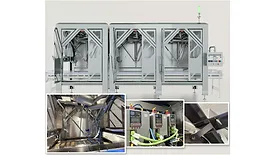
Designed for applications including cheese, fresh meat and snacks, the platform brings robotic loading and packaging equipment into the same Logix programming environment, allowing plant teams to support both with familiar tools.
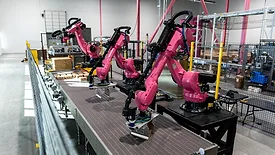
To keep the culture and grow the company, Coconut Cult partnered with Integrated Packaging Machinery to implement its first robotic automation system, featuring three custom KUKA robots at the company's manufacturing facility in Utah.
3D printing, while serving roles in package design, tools and spare parts, is finding applications for creating unique foods that aren’t practical for conventional methods.
Additive manufacturing can describe two technologies in food production — the more commonly known is 3D printing, which has been borrowed from 3D tool and parts making, but robotic work cells can also fit the definition of additive manufacturing.
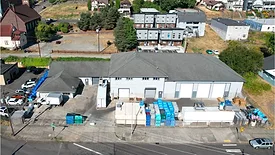
The plant more than doubles Shinkei’s total footprint and represents a major milestone in the company’s mission to deliver fish under the Seremoni Grade brand.
Rethinking the operation could unlock more productivity, and the key to successful automated reverse packaging hinges on robot 3D vision system technology.