One of my favorite times of the year is approaching, and it’s not just because autumn is on its way. While I do enjoy the cooler temperatures and the seasonal activities that fall brings, this time of year also marks the release of our annual Top 100 ranking.
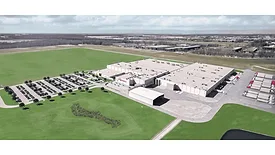
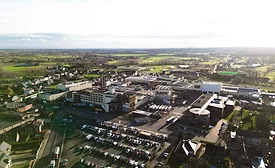
Wells Enterprises, a U.S. ice cream manufacturer and part of the Ferrero Group, has completed the first two phases of the $425 million facility’s transformation.
EIC Alyse Thompson-Richards highlights recent food and beverage industry developments, including Ferrara’s South Carolina plant, Ferrero’s line installation, Conagra Brands’ expansion in Arkansas, Walmart’s new milk processing facility, Kraft Heinz’s investment in Canada, and Swaggerty Farms’ expansion.
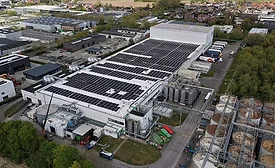
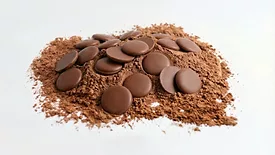
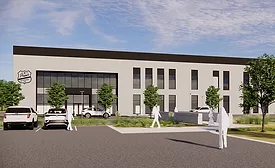
Cargill says the investment enhances its operational and research capabilities, as well as its ability to serve growing demand for edible oils, premium chocolate products and customer-led innovation.
The investment will introduce state-of-the-art manufacturing capabilities, combining robotics and AI with upgraded machinery, as well as advanced cooling systems and energy-efficient utilities, to improve performance and sustainability across the site.
3D printing, while serving roles in package design, tools and spare parts, is finding applications for creating unique foods that aren’t practical for conventional methods.
Additive manufacturing can describe two technologies in food production — the more commonly known is 3D printing, which has been borrowed from 3D tool and parts making, but robotic work cells can also fit the definition of additive manufacturing.