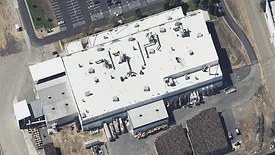
Agri-Mark and Eversource partnered on the installation of a high-efficiency mechanical vapor recompression unit, which is used in the production of condensed and powdered milk products. This equipment has resulted in reductions that help lower energy usage, reduce costs and support operational consistency and product quality.
With current IE5-rated motors rated at 96% to 98% efficient and drives up to 99% efficient, operators also need to consider overall systems in energy and sustainability surveys.
As the march continues to make motor efficiency nearly 99%, the way motors are used and applied can make a big difference in the overall sustainability picture of any plant.
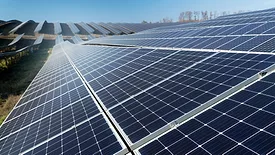
The logistics of installing solar in food and beverage facilities aren't simple, but plenty of facilities have successfully installed solar without disruptions.
While natural gas is abundant and relatively cheap now, it may not be in the future —and industrial users need to be ready with alternative sources for heating.
Industrial heat pumps create more heat energy than the electrical energy they consume, making them efficient and potential replacements for boilers burning petroleum products, decreasing carbon footprints.
Gas-fired heating systems are being replaced by electrification technologies that offer higher efficiency, reduced emissions and improved process control.
International research finds potential energy savings of 25 terawatt-hours per year and decreased carbon emissions equivalent to 3.8 million cars taken off the road.
What’s not to like about improving sustainability and protecting the environment while saving energy and money—and best of all, no equipment or software expenditures are necessary.
According to ABB Electrification’s Energy Insights survey, companies feel that the continuing instability of energy is threatening their profitability and competitiveness.