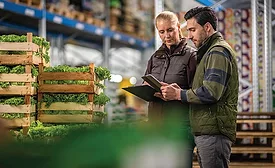
The COVID-19 pandemic has created a nationwide surge in demand for processors, and that has them examining areas of their supply chains that may need reinforcement or adaptation both now and in the future.
With people out of jobs and income and with hospital and medical communities in need of supplies, people are wondering where their next meal is coming from, and many food companies, distributors, retailers and equipment suppliers around the world have responded to the call to help in any way they can. Government organizations are participating as well. Here's a look at how some of those companies and organizations are helping others.
As food and beverage processors deal with the ongoing COVID-19 pandemic, they face dual challenges when it comes to training: keeping the current workforce safe and training new employees they’re hiring to meet a sustained, nationwide surge in demand.
Seemingly overnight, the world has been consumed by the coronavirus (COVID-19). Since showing up on the world stage in November 2019 within the Wuhan area of China, the virus has quickly morphed into a global health threat, while disrupting sensitive supply channels.
The ongoing coronavirus pandemic offers no threat to the safety of ingredients or finished food and beverage products, as it is a fragile virus that can’t stand up to cooking temperatures or the industry’s already rigid cleaning and sanitation requirements. But the pandemic does present challenges for worker safety, and processors must be proactive in addressing those challenges in an effective way.
In order to meet diverse product needs related to protection, shelf life, overall quality, branding, safety, and local regulatory requirements, customers often leave cannabis dispensaries with products featuring multiple levels of redundant packaging. The industry is in need of a more-streamlined approach.
The COVID-19 pandemic has had a historic impact on business across multiple industries in a very short time, including the cold food and beverage supply chain. We spoke with Lowell Randel, VP, government and legal affairs at the Global Cold Chain Alliance (GCCA) for a snapshot of how the cold chain is adjusting to the new norm, and also to dispel certain myths surrounding the country’s food supply and ability to replenish inventory.
From raw ingredients to the end product, maintaining accurate cannabinoid content is crucial for developing safe, compliant cannabis foods and beverages.
Cannabis consumers need to know that they will consistently get the same benefits from the cannabis-infused foods and beverages that they purchase, and that the products reliably match stated dosing claimed on packaging.