RSS
RSS

Food and Beverage Manufacturing Top Stories


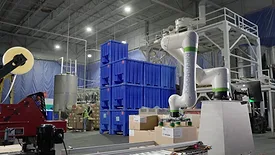
The State of Food Manufacturing in 2026
Food manufacturers continue to invest in their operations with consideration toward food safety, traceability, automation and sustainability.
Read More


October Regulatory Watch
HHS, FDA Submit Proposed Definition of ‘Ultra-Processed Foods’ for Final Review
Submitted as a white paper to the Office of Management and Budget, the definition was drafted with “feedback from thousands of stakeholders, including industry, consumer organizations, researchers and members of the public,” the HHS says.
Read More
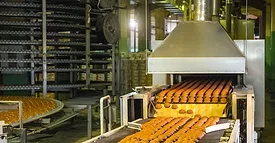
AI, Big Data and Sustainability Top the List of Industry Concerns
The latest food and beverage industry trends also include healthier diets, labor issues, sanitation priorities and updated equipment designs.
Read More



Automation
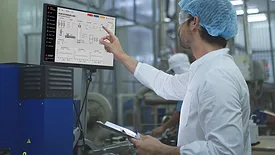
Don’t Scrap Your Equipment. Connect it Instead
You have several data islands of automation, but by giving each data context — and with help from AI — you can keep the aging equipment and gain knowledge of your process.
Read More


October From the Editor
How Are Food Manufacturers Investing in Inspection and Detection Technologies?
Preventing foreign material contamination is a critical food safety concern, but how food manufacturers approach it varies, according to new research.
Read More



Before the Recall: How Spectroscopy Can Help Food Producers Find Problems Faster
The recent Cyclospora outbreak highlights how VIS-NIR, Raman/SERS, chemometrics and machine learning are being investigated for faster food-safety screening.
Read More