Food safety and quality management systems are a necessity for getting audits together for unannounced food safety inspections, and suppliers of these systems have seen the need to expand coverage to include functionality handled by other software systems. Working together in concert, they save processors repetitive, manual input operations.
In addition to constant maintenance, which slowed production, the plant also had to lower the freezer’s evaporating temperature by 5-10 degrees, increasing energy consumption and utility costs.
To establish a truly sanitary environment, food engineers must rethink the importance of hygienic air and its impact on both food products and the teams who manage these processes.
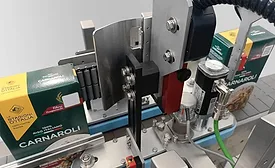
Today’s vision systems are more powerful than their earlier counterparts, and many processors choose to use vision, X-ray and metal detection systems to meet regulatory demands and ensure quality.
Upgrading older vision systems often means an upgrade in control systems as well to get the most out of inspection systems, which now employ AI to make snap quality judgments that humans can’t do time after time.
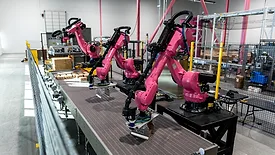
From machine vision and predictive maintenance to digital twin simulations and connected worker platforms, cutting-edge automated systems are redefining what’s possible in food manufacturing.
EIC Alyse Thompson-Richards recaps some recent plant openings and expansions in the food and beverage industry, including Cayuga Milk Ingredients’ expansion, Grillo’s Pickles Indiana plant, Morinaga’s N.C. facility, Kervan’s Pennsylvania confectionery plant and Heineken’s global R&D center.
Glyphosate as an ingredient in Roundup has been a liability for Monsanto/Bayer in cancer lawsuits, yet EPA, FDA and international governing bodies claim that very low-level food residues are safe. A new 2025 study questions the safety of glyphosate at any level.
With manufacturing barely expanding and costs tightening, companies are looking to squeeze every bit of efficiency from their operations. AI-driven optimization of OEE metrics is becoming an essential lever for doing exactly that.
FOOD ENGINEERING’s 48th Annual Plant Construction Survey reveals food and beverage manufacturers are taking a cautious approach to capital expenditure, but even with economic uncertainty, the industry continues to invest in smart, sustainable manufacturing.