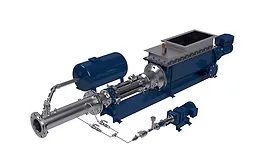
When a cheese processor wanted to increase production capacity, its first thought was to install an additional dryer, which was an expensive and energy-intensive solution. However, as the capacity of the dryer is determined by the amount of water it can remove per hour, another way to increase overall throughput would be to reduce the water content of the cheese products before drying, so that a larger volume could be dried at one time.
Centralizing and digitizing labeling in a cloud-based platform can drastically reduce recalls, make supply chains more transparent and ensure companies meet compliance.
In 2019, the World Food Programme (WPF), a United Nations humanitarian organization, distributed food to very needy people in Uganda. In March 2019, a major food-poisoning incident occurred in one region of the country, followed by a second outbreak, which occurred in a refugee camp in a completely different area in Uganda. In the first outbreak five people died and hundreds were hospitalized.
Keeping ransomware out of your IT and OT systems depends on a well informed staff that plans ahead plus the proper network and cybersecurity tools to avert a disaster
Constant changes, huge swings in demand or shifts in consumer behavior, employee safety, and a general uncertainty about what comes next are all present in the 2020 State of Food Manufacturing Survey.
 RSS
RSS