With in-person gatherings still not possible, the 2020 Food Automation & Manufacturing conference shifted to a virtual platform for the first time. Although it was a different format, one thing stayed the same: A number of industry experts provided attendees with valuable insights on topics ranging from successful project management to the engineering challenges of alternative meat, and almost everything in between.
The dairy industry sets strict hygiene requirements to protect consumers from harmful bacteria, diseases or allergens
November 23, 2020
Microbiological contamination in milk and dairy products such as cheese, yogurt or ice cream can have devastating consequences for consumers. Aggressive washdown routines using caustic detergents and high-pressure rinsing are the methods of choice for risk control in production environments in dairies and milk-processing plants worldwide.
Winter is on our doorstep and we need to prepare for a long battle against COVID-19 while keeping businesses afloat and people safe. The imposition of lockdown measures may be required in areas experiencing high positivity rates and where health professionals predict hospitalizations will exceed capacity. However, there is a middle path where concerns over health and safety gain priority in concert with keeping businesses open.
Researchers at the University of Tokyo and French National Centre for Scientific Research (CNRS) propose a system design that even small producer stakeholders can use—FE interviews the lead researcher
Even in the U.S. an exhaustive track and trace system, which is available to all participants—including small producers and farms—and additional members in the supply chain, right up to the consumer, has been elusive. The FDA, in its recent proposed rule, "Requirements for Additional Traceability Records for Certain Foods," is a good starting point in defining what kind of data needs to be kept and where new data should originate, but it doesn't get to specifics in implementation.
As the plant-based meat category continues to grow, brands must understand that packaging is an important factor in keeping people coming back for more. Choosing flexible packaging can help align products with consumer preferences and brand initiatives.
Unfortunately for chocolate lovers, the richer the chocolate, often the heavier dose of cadmium—and a difficult challenge for farmers to decrease naturally occurring Cd levels
We all know that too much cadmium (Cd) in our bodies is just as dangerous as lead. Both are heavy metals, and while specific limits have been put on lead exposure (both in the air and orally), cadmium isn’t quite as well documented—at least in the U.S. The EPA places maximum allowable levels of cadmium in our drinking water as 5 parts per billion (ppb) with a goal of 0 ppb, but FDA has not set limits on safe levels of cadmium in food except to say that toddlers and infants should have no exposure at all.
The cryptography working group within the Internet Engineering Task Force (IETF) standards organization has chosen the Endress+Hauser-developed CPace protocol as a recommended method for use in internet standards.
While not every pumping application in the food and beverage industry may equate in value to critical process points in a petroleum refinery, failure of a key pump, however, can still have a catastrophic impact on production. And, probably for many facilities, pumps may not be top of mind for most managers. However, pumps handling water recirculation in aquaculture facilities, maintaining flow in CIP systems, bringing in fresh water for use as an ingredient or handling wastewater can represent a critical stop to production should they break down.
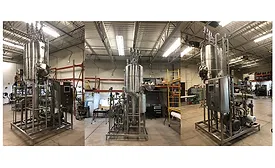
MycoTechnology, a Colorado-based manufacturer of mushroom-based protein powder, wins the 2020 Food Engineering Sustainable Plant of the Year award for its commitment to sustainability in design, construction and operations.