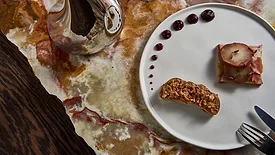
As if the cost to produce cultured meat products isn’t a severe enough hurdle, some state governments have made it almost impossible to enter the market.
For cultured meats to succeed in the market, they will have to prove themselves cost-effective to produce, be as food-safe as their conventional counterparts and gain acceptance from consumers — though some states have already banned FDA-approved cultured meats.
State legislative bans are targeting ingredients, dyes and cultivated products in 2025. Therefore, the market is forcing OEMs and alternative protein suppliers to get creative in manufacturing, lowering ingredient costs, and even going to market.
The facility is expected to produce thousands of metric tons of biomass annually — enabling the delivery of hundreds of metric tons of protein per year.
The launch builds on the initial purchase order announced on Sept. 30, 2024, and represents Steakholder Foods’ first full product-cycle revenue stream — from pre-mix supply to consumer sales.
The PLANTREACT launches with formulations in beef, chicken and pork flavors, along with milk, which aims to solve manufacturing challenges in producing vegan products by delivering a creamy taste that serves as an alternative to dairy products.
Alternative protein products are often more expensive than traditional counterparts, but advancements in technology and ingredients can help manufacturers in approaching price parity.