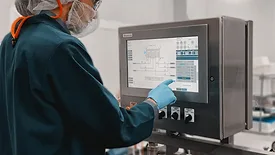
Over the years, seeking the perfect batch may have seemed like the quest for the Holy Grail, but today, let AI/ML-based batch serve as your experienced guide.
You don’t have to go it alone when searching for and maintaining the perfect batch. Through machine learning and AI-based batch control, the arduous search becomes easier to realize.
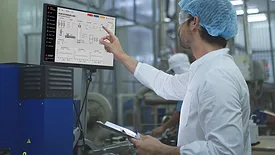
Success in operational readiness is all about data collection. When predictive maintenance systems are integrated with actionable alert-enabled HMIs, OEE increases.
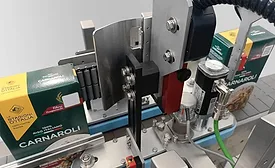
The Traceability Driver is designed to make it easier for existing traceability software systems to transform their data into standardized formats, supporting sustainability and supply chain integrity by enabling seamless data exchange.
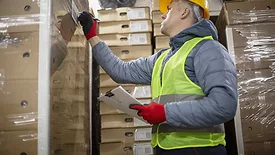
As manufacturers plan for increased traceability demands, purpose-built facilities with integrated digital traceability systems will streamline compliance and enable faster, more accurate responses that help protect public health.
As new regulations emerge and standards continue to evolve, PLM software will be more than just a system — it will be a strategic imperative for manufacturers that want to stay ahead of the curve.
The race to standardize plant data is happening fast. As food manufacturers standardize data, digital tools accelerate and provide a closer look at overall equipment effectiveness (OEE) and maintenance metrics.
Data collection has become a major part of food manufacturing, but without data standardization, measuring overall equipment effectiveness (OEE) poses a challenge.
Control Station has launched System Health Monitoring (SHM), a tiered service offering that leverages intelligence captured by the company’s PlantESP Loop Performance Monitoring solution.
Over the years, data acquisition systems and sensor technology have made it easier to track and improve OEE scores — now AI and ML can find nuances in data to up performance.
While you can measure and chart OEE manually, today’s AI and ML-based technologies with smart sensors can help processors find the little things that can improve availability, performance and quality — leading to autonomous manufacturing.
As the regulatory landscape becomes increasingly complex, forward-thinking organizations are turning to Internet of Things (IoT) technology to ensure adherence to evolving standards throughout the production process.