Fresh Doesn’t Have to Mean Cold: How Aseptic Processing Can Redefine Fresh Dairy in the U.S.
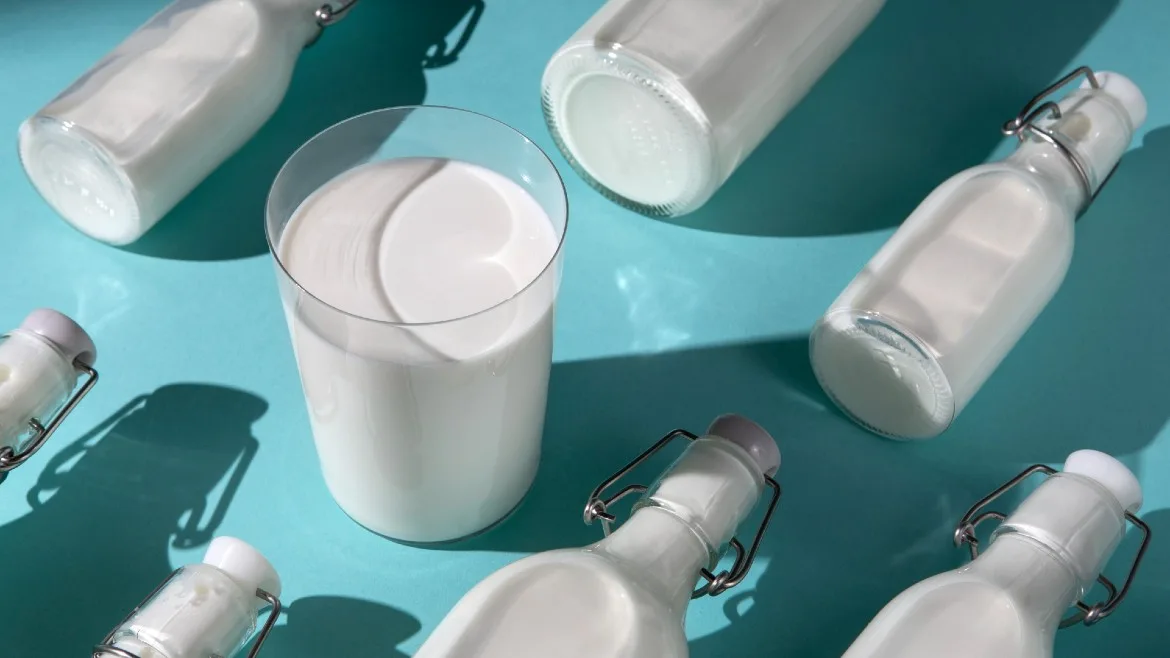
For many consumers, especially in the United States, refrigeration has always been synonymous with freshness, quality and food safety. This perception surrounding dairy products is especially strong, and seeing a dairy-based drink sitting at room temperature might bring up some suspicion.
Aseptic processing, however, breaks the myth that “fridge = fresh.”
When a product is aseptically processed, it undergoes ultra-high-temperature (UHT) processing, where it’s brought to temperatures of 280°F-302°F for just 2 to 3 seconds to kill harmful bacteria and spores while preserving key proteins and nutrients. This process allows manufacturers to pasteurize complex, high-value formulations without degrading product quality or nutritional integrity, while sealing them in a sterile environment to prevent recontamination.
The result? A safe, shelf stable dairy product that can have a long shelf life without refrigeration.
This process is fundamentally different from conventional pasteurization practices, which use lower temperatures to destroy pathogens without achieving sterility in dairy products. This means that refrigerated dairy products must remain in a temperature-controlled environment to maintain quality throughout distribution and storage.
While pasteurization holds an important role in dairy processing, aseptic processing opens the door for more product options. For pasteurized dairy beverages, maintaining the cold chain is essential as products are transported from the processing facility to retail shelves and ultimately the consumer’s refrigerator. This process is high maintenance, costly and leaves products at a higher risk for spoilage during transport.
Aseptic processing offers a wider set of possibilities. By combining UHT treatment, and sterile filling and packaging, manufacturers can produce dairy beverages that are safe from contamination without the need for continuous refrigeration. For manufacturers, this means savings on expensive cold chains and losing less product due to spoilage.
As the United States begins to adopt more aseptic practices, this process is becoming more valuable as ready-to-drink dairy beverages, coffees, protein beverages and non-dairy alternatives gain popularity.
Demand for nutritional, convenient shelf stable drinks is rising, with a recent CoBank report showing a 74% surge in sales of ready-to-drink dairy nutritionals and protein shakes over the last four years.
Consumer perception remains a challenge for aseptic processing to be fully accepted into the United States dairy industry, as consumers have long equated cold with fresh, even encouraging processors to place aseptically processed beverages in refrigerated sections to align with shopper expectations.
This begs the question: have manufacturers begun to design products for what consumers want or what they expect?
There is no “correct” answer to what dairy processing should look like, and each manufacturer has different requirements, down to the formulation of their product and what packaging to use. JBT Marel offers both UHT aseptic processing and pasteurization solutions to support the diverse needs of dairy beverage producers, whether their goal is to create premium shelf stable drinks or traditional refrigerated dairy products.
Freshness is about more than just the temperature at which a product is sold. It’s about food safety, quality, and maintaining taste and texture for customers to enjoy. Aseptically processed dairy is not a compromise, it’s a response to the need for convenient, nutritious shelf stable products, and an opportunity for manufacturers to rethink what fresh can mean.
Looking for a reprint of this article?
From high-res PDFs to custom plaques, order your copy today!