Consumer desires and modern lifestyles continue to facilitate a shift in how people perceive food, according to "Trends and Advances in Food Packaging and Processing" from PMMI.
As consumers demand greater convenience, e-commerce sales continue to rise. According to the 2019 Internet Retailer Top 1000 Report, consumers spent $517.36 billion online with U.S. merchants in 2018, up from $449.88 billion spent the year prior. Even when the final sales takes place in a store rather than online, the first step to most purchase decisions starts at the search bar.
The study says 33% of students are satisfied with their school's foodservice facilities.
Delivery, technology and health trends are changing the foodservice landscape and younger generations are leading this charge, according to “2019 College & University Consumer Trend Report,” a report published by Technomic, Chicago.
Pet food follows broader human food trends because it must appeal to pet owners who buy it, and these consumers are now expecting the same high standards for their animals' food as their own: convenience, quality, authenticity and transparency.
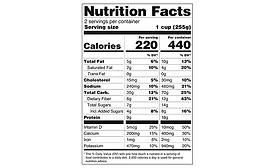
FDA has taken another look at food labeling with two recent draft guidance documents, the first regarding serving sizes and dual-column labels and the second on nutritional information pertaining to added sugars, vitamins and minerals.
As pet ownership increases, companies involved with pet food processing and packaging can reap the benefits if they keep an eye on the pets' owners and the trends that are driving the pet food industry.
Companies selling chips and treats for lunchboxes offered back-to-school packages with space for parents to write notes to their children, with an option to add braille stickers on Rice Krispies Treats.