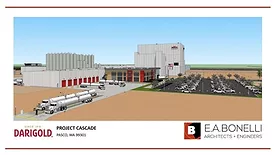
Darigold Inc. broke ground in Pasco, Washington with its new dairy production facility. The company is striving for international market access with its innovative technologies and conservation strategies that reportedly could mitigate more than 300,000 metric tons of CO2 emissions per year.
According to Flexible Packaging Market by Future Market Insights, the global flexible plastic packaging market is anticipated to grow at 5% CAGR between 2021 and 2031.
Sunset Farm Foods has issued a recall for its 28-oz. packages of its Georgia Special Chicken and Pork Smoked Sausage due to consumer complaints of blue plastic containments.
Enlightened pledges to donate 100% of the profits of select flavors from its new limited-edition seasonal ice cream collection to Diversify Dietetics. Its new flavors, Bake the World a Better Place and Pumpkin Cheesecake, are now available for purchase.
After a brief stint in the top spot for PepsiCo, Nestlé reclaimed the mantle of top food and beverage producer by revenue in this year’s Top 100 Food and Beverage Companies. Plus, there was a massive jump in revenue reported by Archer Daniels Midland, giving the company enough to vault into the second spot, pushing PepsiCo down to third.
 RSS
RSS