Since handwashing is a key element of the food quality and safety programs for food processors, meeting this early mandate was not a major issue for the industry. But how should companies go about ensuring that their people not only wash their hands, but that handwashing is effective?
Whether considering adopting CMMS this year or curious about what to expect from current products, here's a look at some of the technology’s advances
Computerized maintenance management systems (CMMS) have come a long way in the last several years. 2022 holds advancements to help maintenance teams get even more benefit from the software.
Take the temperature of a moving fluid inside a pipe without inserting a temperature probe, and get an accurate measurement through the external pipe temperature? You’ve got to be kidding. Is this some kind of a joke?
Alaska Airlines’ inflight water service is getting a planet-friendly upgrade. The airline is trading plastic water bottles for Boxed Water Is Better brand's 92% plant-based cartons and swapping out plastic cups with recyclable paper cups for water service. This will save an estimated 1.8 million pounds of single-use plastics from flights over the next year.
Getting parts and materials on schedule can be a challenge, let alone the workforce to execute projects and keep plants operational, but technology is helping to fill in the gaps
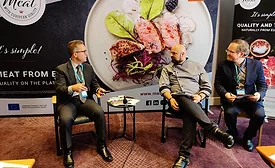
For the second time in as many years, FE’s annual Food Automation and Manufacturing Conference was held quite successfully on line—rather than in person—due to the persistent COVID-19 pandemic.
Walk into nearly any grocery store in the U.S., and you’ll find dozens of products from Goya Foods. The company is America’s largest Hispanic-owned food brand—founded in 1936—and for many shoppers also one of the most recognizable.
Cleaning and sanitation programs are the backbone of creating a safe plant environment for employees and for the food it produces. General Mills’ Karl Thorsen talks about developing a comprehensive cleaning and sanitation program.
If you visit AriZona Beverages’ website and click on “Who’s Thirsty?” it seems that once you start scrolling through available beverages, you’ll never get to the end. With more than 300 products sold around the country, it takes some modern equipment and some talented, dedicated people to make all those products.
 RSS
RSS