New technology in agriculture is reshaping the future of farming and Hartnell College and Festo Didactic are partnering to close the skills gap in manufacturing and agriculture.
Select code dates of these beverages with “Best When Used By” dates between May 10, 2023 and November 1, 2023 are being voluntarily recalled in the U.S. due to the potential presence of foreign material, specifically very small pieces of metal or glass, that may have been introduced during production.
Tokyo Smoke, an award-winning Canadian cannabis retailer, and Uber Canada have entered into an exclusive partnership to provide a new way to order cannabis in Ontario. Uber Eats has created a dedicated section on its digital marketplace for Tokyo Smoke's virtual stores.
Del Monte Foods Inc. has released the industry's first canned vegetable product to be Upcycled Certified by the Upcycled Food Association, the world's only third-party certification program for upcycled food ingredients and products.
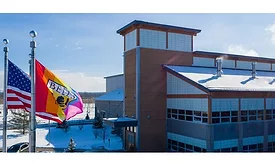
Lion acquired Colorado’s New Belgium Brewing in 2019. The move will see the Michigan-based craft brewer come together with New Belgium, aligning two great American craft brewers.
Jona Smith, vice president of IT applications services, received a 2021 STEP Ahead Honoree award from The Manufacturing Institute for Excellence in Manufacturing.
The Hershey Company announced it has entered into a definitive agreement to acquire Dot's Pretzels LLC, the owner of Dot's Homestyle Pretzels, the fastest-growing scale brand in the pretzel category.
 RSS
RSS