Number of Food Recalls Up: Bad or Good?
While the increasing number of recalls seems like food safety is not improving, in most cases, improved food safety tools catch problems earlier.
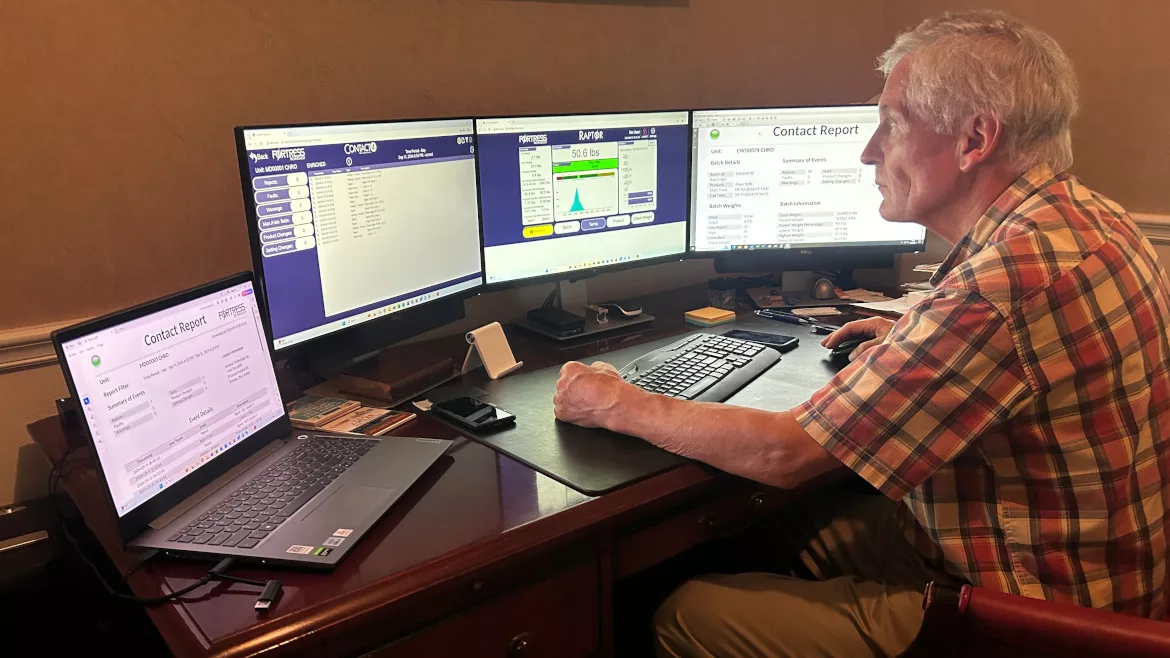
Digital capabilities are essential for streamlining recall processes — and can range from direct testing equipment interfaces to FSQM and ERP.
If you think there seems to be more food recalls in the last couple of years, you’re not alone. For example, three sources point to increased recalls:
- "Food regulated by the USDA’s Food Safety and Inspection Service as well as that falling under the Food and Drug Administration’s jurisdiction saw explosive increases in volumes recalled during 2025’s third quarter," says Dan Flynn in the Dec. 5, 2025 issue of Food Safety News.
- A January 2026 report from Food & Feed Analysis stated that 2025 saw a global surge in food recalls and safety alerts, driven by stricter regulations, better testing and complex supply chains.
- A May 2025 bi‑monthly report from Mérieux NutriSciences (reported in NACS) highlighted a 93% increase in FDA food recalls (Jan-Apr 2025 versus the same period in 2024), particularly due to foreign‑material contamination.
But does that mean that food is less safe? Not necessarily. A new consumer survey commissioned by GS1 US reveals that while 85% of Americans believe food recalls are effective in protecting public health and safety, 93% are concerned about how frequently they occur. Additional findings from the survey highlight the impact that food recalls have on consumer behavior:
- 60% say they have avoided an entire food category, such as lettuce, following a recall.
- 59% report hesitancy to purchase the same product or brand again after a food recall – especially millennials (65%) and Gen Z (64%) compared to baby boomers (53%).
- 57% admit to discarding recalled food even if their state or region was not impacted, with millennials (70%) most likely to take this precaution.
"Food recalls are issued for a variety of reasons, including contamination with bacteria like Salmonella or E. coli, undeclared allergens, the presence of foreign objects or even mislabeling," says Bob Carpenter, president and CEO of GS1 US. "Though the frequency of food recalls may seem concerning to some, it shows that the food safety system is more proactive and effective due to advances in science, technology and modern regulations. Improved tracking tools, barcoding standards and traceability requirements are evolving to help identify and remove affected products and better respond to recalls."

Against the backdrop of a Canadian dining table set with commonly recalled food products, food safety professionals warned that federal cuts to the Canadian Food Inspection Agency are weakening Canada’s ability to prevent foodborne illness. Photo courtesy of CNW Group/Professional Institute of the Public Service of Canada
Better, Faster Tools
"Speed matters because the sooner you detect a hazard, the smaller the recall or hold zone can be," says Tushar Verma, senior scientist and team lead in food microbiology at Corbion. Over the past decade, processors have gained greater access to rapid, on-site or near-line testing for indicator organisms and specific pathogens, using quicker methods and faster environmental monitoring workflows. Many plants can now do same-shift screening for key microbiological indicators and make hold decisions before the product ships, rather than waiting days for off-site results. While confirmatory culture testing remains important, the initial screening step is much faster than it was 10 years ago.
"What has shifted is not only test speed, but also how test results are integrated into quality workflows," Verma adds. "When rapid screening is tied to pre-set decision trees, plants can trigger immediate corrective actions such as intensified sanitation, targeted resampling, product holds and supplier notifications. Ingredient suppliers contribute by providing detailed analysis, ingredient-specific risk assessments and guidance on what to test and where, especially for ingredients that can introduce spores or contribute to growth potential in the finished product."
Rapid testing technology is evolving quickly, says Roger Hancock, CEO, Recall InfoLink. "We’ve already seen major advancements in rapid environmental testing, and rapid finished product testing is close behind. This reduces the time and effort it takes to get a clear picture of what’s happening inside a production environment. That’s especially important for categories like fresh produce, where time is everything."
Still, many pathogen or contamination tests are sent to offsite labs, which means waiting days for results, Hancock says. "However, innovative technology allows processors to conduct much of that testing onsite and get answers far faster. For shelf-stable products, that speed is helpful. For fresh products with short distribution windows, it can make the difference between getting to market with high quality, safe product and missing an opportunity. Further, the rapid results help contain an issue by acting quickly before distribution spreads, widely expanding the problem."
Not all product recalls are due to microorganisms, as the GS1 study revealed that foreign objects are an issue as well. "Being extra vigilant and recalling food products before they reach consumers is a sign of improved inspection technologies and reporting processes," says Eric Garr, Fortress Technology Inc. regional sales manager. Installing a food metal detector is only one part of the process. Effective food safety also depends on regular employee training, ongoing HACCP reviews and planned maintenance and calibration of systems.
One of the primary reasons why foreign materials evade detection is the inspection system is being used incorrectly or isn’t being continuously monitored, Garr adds. "Automation can help to test if the CCPs are working effectively and highlight immediately if the reject frequency, for example, has increased over a timeframe. This visibility, which can include remote monitoring, can assist food processors to respond quicker, narrowing the investigation timeframe."
"On-site testing isn’t new," says Matthew Snider, SafetyChain Software director of industry coaches, former COO. Many processors have operated internal labs and conducted daily bio, chemical and foreign material testing for decades. Rapid methods and environmental monitoring have long been part of responsible food safety programs.
"What’s evolved is less the existence of testing and more how results are operationalized," Snider continues. "Rapid pathogen screening, allergen verification, ATP testing and advanced foreign material detection can now deliver answers faster; but speed only matters if the organization has defined decision thresholds and enforces them consistently. External certified labs remain essential, particularly for confirmation testing and regulatory requirements. Many processors will continue to rely on them. The difference today is that faster screening results can be tied directly to lot disposition, corrective actions and trend analysis."
A two-hour test doesn’t reduce risk by itself, Snider says. "Standardized interpretation, disciplined documentation and clear follow-through do. Testing is valuable when it strengthens decision-making — not just when it produces results more quickly."
Food Safety/Quality Management Systems
Today’s food safety and quality management systems (FSQMs) are becoming more responsive by integrating digital traceability data with quality and supplier management processes, says Lucy Angarita, GS1 US director of supply chain visibility. When product movement and other key data elements are captured consistently, quality complaints or illnesses at specific store or restaurant locations can be "traced back" to the specific supplier plants where they originated to quickly identify the source of the issues. This visibility allows processors to intervene earlier, strengthen supplier oversight and prevent problems from moving downstream. These systems enable faster identification of affected product, quicker impact assessments and more efficient documentation and data exchange to support rapid response and recovery. This same traceability information helps support contingency plans in place to quickly source product from other locations in case of a recall or any crisis (weather, transportation issues) arise.
FSQMs not only keep track of products in the supply chain, they can also store and use data from on-line inspection systems. "With metal detectors and X-ray systems available for every food manufacturing CCP, processors can implement a multi-risk contaminant detection strategy across the entire line," says Fortress Technology’s Garr. This strategy is supported by digital reporting tools, which give processors instant visibility of all inspection systems’ statuses and allow them to efficiently document inspection results. A combined approach helps verify every food product is safe and meets the highest standard.
Food safety and quality management systems have become more responsive as companies digitize their production environments and workflows, says Recall InfoLink’s Hancock. That process starts with deciding where and when to capture data, then building systems that consistently capture it and make it usable. Once that information is structured, it can be analyzed to identify gaps, trends or recurring issues. That’s where tools like AI and machine learning can add real value by helping teams spot patterns that might otherwise go unnoticed, including supplier performance issues or repeated deviations in a process. The industry is still early in leveraging these systems for prevention, but the direction is clear. The more connected and analyzable the data becomes, the better positioned processors are to keep defective product out of the supply chain in the first place.
The first thing to note is that food safety and quality management systems aren’t just basic record-keeping tools like they used to be, says SafetyChain’s Snider. They’re now more like live operational systems. In the past, it was common to see data scattered across paper logs, spreadsheets and disconnected systems, which made it difficult to spot issues until it was too late. Today, these systems pull data together in near real time, allowing teams to see trends as they develop rather than after a failure occurs. Naturally, that responsiveness makes it easier to catch deviations early, whether it’s a sanitation miss, a temperature issue or another testing result that falls short of expectations.
Supplier oversight is a good example of how this has changed, Snider adds. By tying supplier approvals, audit results, ingredient testing and nonconformance data together, processors can build a much clearer picture of supplier performance over time. Patterns that might have been missed before, like recurring quality issues from a specific source, become visible and actionable. This gives teams an opportunity to intervene earlier through corrective actions or changes in sourcing. Beyond supplier management, these systems can also support core preventive functions such as hazard analysis, preventive control monitoring, corrective action management and verification. They also create a single source of truth for regulatory compliance and internal accountability — which is a major advantage that few food manufacturers can afford to ignore if they want to compete. When food safety data is accessible, timely and connected across the operation, it strengthens decision-making at every level and helps keep unsafe products out of the supply chain in the first place.
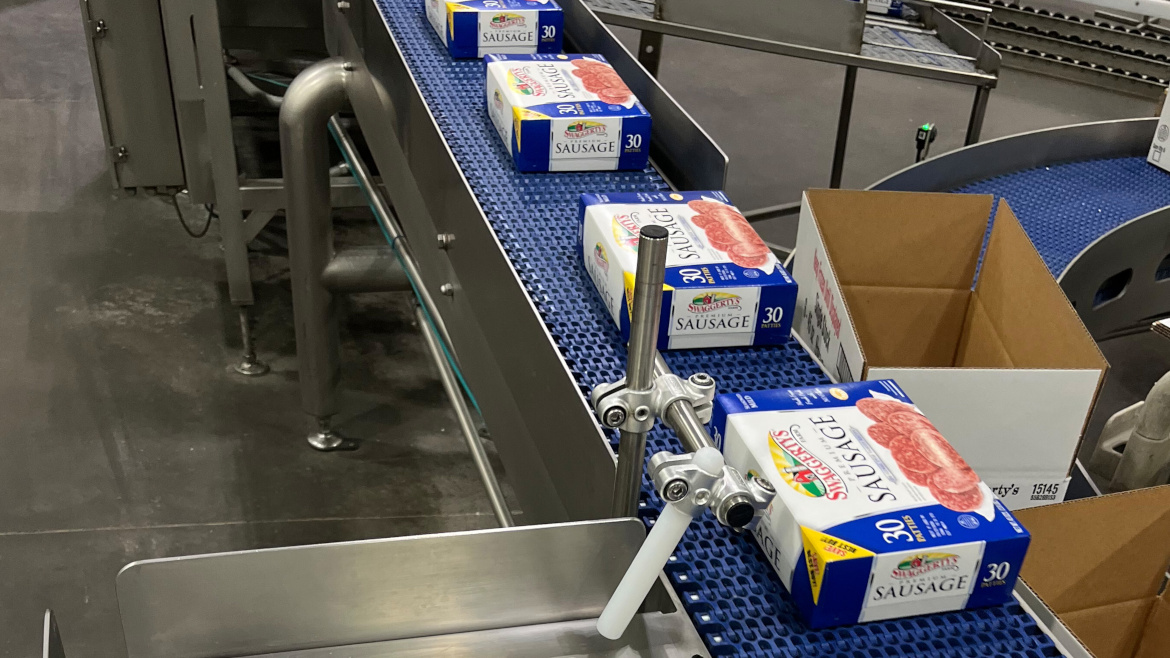
Swaggerty’s Farm, a family-owned premium sausage producer in East Tennessee, has earned the AA rating in the 2025 BRCGS Global Food Safety audit, marking the 14th consecutive time the company has received the highest grade possible. This consistent recognition exemplifies the company’s commitment to quality, safety and operational excellence. Photo courtesy of Swaggerty Sausage Company, Inc.
Supply Chain Tools Make Track and Trace Easier, Faster, Resilient
Modern supply chain tools give processors clear visibility from the source of raw materials through production, testing and final shipment, says Corbion’s Verma. Because this information is captured digitally, companies can quickly trace a product if any concern arises. Track-and-trace systems in place improve precision and speed during a recall. Unique lot numbers, standardized labeling and digital records of "one step forward, one step back" allow processors to pinpoint exactly which products are affected and where they were distributed.
Tools such as GS1 Global Trade Item Numbers (GTINs), Global Location Numbers (GLNs), standardized lot/batch data, barcodes and event-sharing standards like EPCIS create a common language used throughout the supply chain, says GS1’s Angarita. This interoperability allows systems from different companies and solution providers to exchange traceability data automatically, without manual reconciliation. With end-to-end visibility, processors can better manage inventory and product freshness; quickly isolate affected product; reduce recall scope and costs; and demonstrate adherence to requirements like the US FDA’s Food Traceability Rule (FSMA Rule 204).
Meeting the new FSMA 204 24-hour timescale to respond and retrieve records, digital communication options for inspection equipment like Fortress’s Contact 4.0 data collection system and OPC UA provide real-time information, Garr says. These capabilities are essential for streamlining recall processes and mitigating potential risks to consumer health. Fortress Technology systems store archived data for up to 20 years and performance, faults and test results can be accessed centrally.
Tools like automated recall management platforms, integrated ERP and quality systems, standardized data frameworks and traceability systems all can help processors become more resilient by giving them precise visibility into where product has moved throughout the supply chain, says Recall InfoLink’s Hancock. That visibility reduces risk exposure because companies can narrow the scope of an incident instead of pulling broad volumes of product, which lowers cost and limits operational disruption. Faster, more targeted action also protects brand reputation and strengthens consumer confidence because regulators and trading partners see a controlled, well-documented response. When these tools are connected across suppliers and processors through shared data standards and system integrations, information flows automatically instead of manually, allowing companies to identify patterns, flag issues earlier and intervene before a situation escalates. That’s the shift from reactive damage control to proactive risk management.
The Future AI Connection
While this is not an article on AI, the use of it will help processors with supply chains and food safety. Some key areas that will benefit, according to our experts, follow:
AI with predictive modeling: Predictive models use scientific data to estimate how specific pathogens may behave in a product based on formulation, storage time and temperature conditions.
AI-driven demand forecasting: Machine learning analyzes historical sales, seasonality, weather, promotions and external signals to predict demand more accurately — especially for perishables.
Inventory optimization: AI recommends optimal production and replenishment levels, reducing overproduction, spoilage and stockouts across foodservice, retail and CPG.
Waste prevention: By combining traceability data with predictive analytics, companies can redirect food earlier, shorten recall scope and reduce expired inventory.
Speed up: AI adds value in automating, speeding up and streamlining parts of the process that are data-heavy and time-sensitive.
Analyzing large volumes of operational data: By looking across test results, environmental monitoring data, supplier performance and production records, AI-driven tools can help surface patterns and early warning signs that might otherwise be missed. This supports better prioritization and faster decision-making, especially in complex operations with many variables.
Fielding recalls: During recalls or field responses, AI can also help improve accuracy and confidence. By quickly correlating data across lots, locations and timelines, AI can help teams narrow the scope of affected products and reduce uncertainty. That leads to more targeted actions, fewer unnecessary disruptions and clearer communication with regulators and customers.
A final takeaway on AI: AI doesn’t — and shouldn’t — replace food safety expertise, but it can strengthen it by making responses more consistent, data-driven and reliable under pressure.
Looking for a reprint of this article?
From high-res PDFs to custom plaques, order your copy today!