It’s one thing to keep a 175-lb. hell-bent individual out of your plant, but blocking this invisible microbial enemy from sneaking in can be a real challenge
Listeria Monocytogenes (Lm) is difficult enough to keep out of a food plant, but once it gets in, the real challenge begins — as it can take up residence in “secret” places that welcome and protect it. Fortunately, processors don’t have to go it alone.
This determination allows U.S. meat and poultry processors to use INNEO both as a surface treatment and directly within the food matrix of comminuted products.
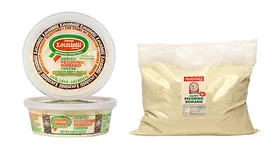
Launched in November, the recall includes products under the Locatelli, Boar’s Head, Maker’s Mark, Pinna and Ambriola brands. Expiration dates extend to May 2026.
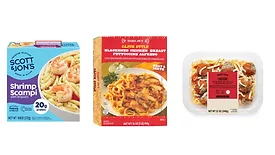
Nate’s Fine Foods, supplier of pre-cooked fettucine, linguine and farfalle (bowtie) pasta, recalled certain lots after a linguine sample collected and tested by FreshRealm, Inc. tested positive for listeria.
FoodNet, which is a collaboration between the CDC, USDA FSIS, FDA and 10 state health departments, previously tracked infections caused by eight pathogens. As of July, monitoring is required for only two pathogens.
The Associated Press reports the facility will reopen in the coming months but it will be subject to 90 days of “heightened” inspection by federal officials.
Recent regulatory moves appear to shift the burden of food safety to manufacturers, but they’re already taking steps to ensure quality food production – including designing facilities with safety in mind.
There are several cleaning and sanitation methods—each with their own unique capabilities. Combining methods with a plan in place can help ensure that products are safe and the facility and its equipment are free of foodborne bacteria
There are several cleaning and sanitation methods—each with their own unique capabilities. Combining methods with a plan in place can help ensure that products are safe and the facility and its equipment are free of foodborne bacteria.
A whole-building approach to drainage – considering every aspect of a facility’s sanitation and operational needs – is essential for ensuring a safe, efficient and regulatory-compliant environment.