RSS
RSS
Packaging


Packaging
Innovative Materials Offer Increased Sustainable Functionality
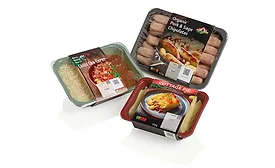
The shift toward a more circular economy has led to the adoption of mono-material structures. However, trade-offs exist on the road to improved sustainability for machinery and materials alike.
Read More

Smart Packaging: What Is It?
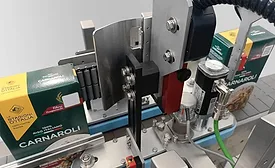
While there might not be one specific definition all can agree upon, the one key thread today is data, which pulls all the loose ends together.
Read More


Sustainable Packaging
CPG Firms Must Move Strategically to Meet Sustainable Packaging Goals
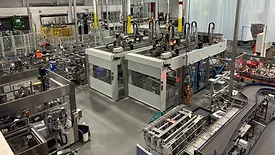
Redesigns to reduce a package’s footprint and the production of thinner packaging are on the rise, but will legacy machinery be ready to handle the emerging materials?
Read More
Sustainable Packaging
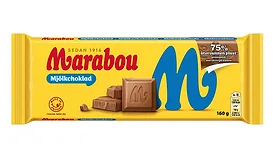
Mondelez Introduces Recycled Flexible Packaging for Marabou Chocolate Bars
Read More