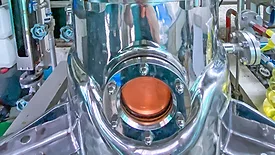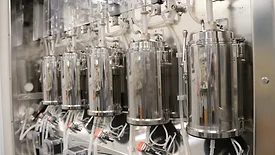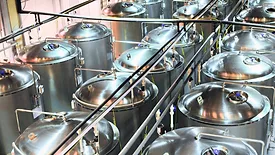
Following a 10,000-fold scaleup to cultivating in 20,000-plus-liter tanks, UPSIDE can now produce more than 1 million pounds of UPSIDE Chicken annually on less than half an acre of land.
The alternative protein sector faced challenges in 2026, including changing consumer tastes and declining investment. Global retail sales of plant-based products hit $28.9 billion in 2025, and cultivated meat raised $73.9 million. FOOD ENGINEERING examines the latest industry updates and product launches amid these shifts.
The capital will expand Pythag’s biological dataset and machine learning platform, which is designed to optimize cultivated meat production processes that can then be licensed to food companies.
While the brand has had select products available in UK restaurants since 2022, UK consumers have spent the last several years awaiting more of the brand’s offerings.
The company says consolidating production at its facility in Indianapolis, Indiana will create a more efficient manufacturing network, improve capacity utilization, reduce operational complexity and establish a focused Centre of Excellence.
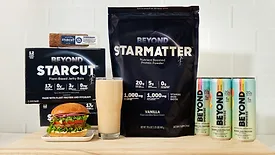
The portfolio brings together powders, bars, beverages and center-of-plate offerings in an integrated nutrition platform that allows consumers to stack nutrients — from plant protein and fiber to polyphenols and phytosterols.
The cultivated meat sector faces many challenges, especially in scaling production. AI — and in particular hybrid model digital twins — can help overcome critical hurdles to industry viability.
Protein products geared toward a healthy lifestyle are ubiquitous in North America. As demand increases across the board, producers are evaluating alternative protein manufacturing and precision fermentation.
With rising demand for protein, food manufacturers are turning to plant-based proteins, precision fermentation, and AI-powered tools for innovation. Pea protein is becoming popular, and new partnerships and digital technologies are aiding in reformulation and product development.
Following a successful technology collaboration validating the compatibility of the two platforms, Ever After Foods’ acquisition of Fishway adds a portfolio of aquatic cell lines, expertise in animal-component-free media, and an experienced scientific team.
The next phase of growth is shifting from science to scale — infrastructure is required to produce alternative proteins with the precision and consistency required of these systems.