 RSS
RSS

Automation


Additive Manufacturing: Roles for 3D Printing and Robotics in Food Production
3D printing, while serving roles in package design, tools and spare parts, is finding applications for creating unique foods that aren’t practical for conventional methods.
Read More




Number of Food Recalls Up: Bad or Good?
While the increasing number of recalls seems like food safety is not improving, in most cases, improved food safety tools catch problems earlier.
Read More
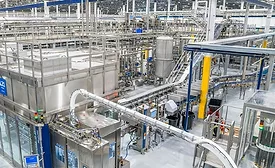

Improving Packaging Line Efficiency with Automated Technologies
Implementing automation spurs significant operational efficiencies in many areas, including employee headcount, maintenance and changeover time.
Read More

Staff Safety
Modernization Investments Improve Operator Safety
Manufacturers are improving operator safety through third-party services, such as continuous training from OEMs, risk assessments and new production line approaches from consultants. In addition, digital training at the machine level is increasing operator safety.
Read More


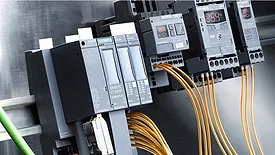
Automation
Simplifying the Alphabet Soup of Industrial Networks
Today’s open-standard industrial networking has come a long way from all the proprietary systems of the past, reducing costs and setup time.
Read More