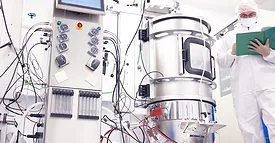
Through precision fermentation, engineered microbial “cell factories” can generate specific proteins that can serve as next-generation food ingredients.
Fermentation has evolved into precision fermentation, utilizing biotechnology to engineer microorganisms that produce high-value food ingredients. These "cell factories" create proteins and compounds, enhancing quality and reducing environmental impact.
The biotech industry has been dealing with regulations and scale-ups for some time and has the know-how
Alternative proteins—especially cell-based seafood and meats—hold promise for the future, considering that animals are eliminated from the production chain.
Meat processors who brushed up on the latest labeling guidelines at the International Production & Processing Expo learned details about when bioengineered logos might be needed and how FDA’s nutritional panel updates might trickle over to their products.
The USDA's Agricultural Marketing Service has proposed three sets of symbols to be used on labels of products compliant with the National Bioengineered Food Disclosure Standard.
The Coalition for Responsible Gene Editing in Agriculture has established a multi-stakeholder Steering Committee to develop a framework for the responsible use of gene editing in agriculture.
With increased interest and media coverage surrounding biotechnology and GMOs, only 2 percent of consumers cite GMOs as a barrier to eating foods or beverages, according to the 21st Annual Consumer Attitudes about Nutrition Study.
Research on plant cell transformation using recombinant DNA chttps://admin-foodengineeringmag.epublishing.com/admin/article/general/xml#ould help alleviate food insecurity.